The best place to buy silver and crafts is the vibrant Artist’s Market located in the lush Morelos garden, right next to the historic Palacio de Cortés in downtown Cuernavaca.
This bustling marketplace is a well-known local destination, frequented by both residents and tourists seeking high-quality, authentic Mexican handicrafts. Open daily, the market comes alive with the chatter of vendors and the inviting aroma of local street food, creating a lively atmosphere perfect for exploring and shopping. The market is generally open from 10:00 a.m. to 7:00 p.m. each day, allowing visitors plenty of time to browse and experience its unique offerings.
History and Significance of the Market
The Cuernavaca Artists Market, also known as “Mercado de Artesanías de Cuernavaca,” has been a vibrant part of the city since the mid-20th century. Its strategic location beside the historic Palacio de Cortés and the lush Morelos Garden has made it a focal point for cultural exchange and artisan commerce. The market not only supports local economies but also serves as a platform for preserving and promoting traditional Mexican craftsmanship. Over the years, it has evolved from a small collection of stalls into a well-organized destination where generations of artisans have passed down their skills, ensuring that unique regional techniques and artistic expressions continue to thrive. Today, the market is recognized as one of the most important venues for authentic Mexican folk art in central Mexico.
In any Mexican market, colorful stalls overflow with a dazzling array of objects, from intricately woven textiles to gleaming silver ornaments. The sheer variety can be overwhelming, as each display is expertly arranged to showcase the unique skills and creativity of local artisans. It is easy to get lost in admiration, with every corner offering something new and captivating.
Traversing the Labyrinth
Walking through its winding, narrow corridors, the market feels like a small, enchanting labyrinth. Although not especially large in size, you can easily spend several hours moving from one vibrant stall to the next, captivated by the sheer diversity of offerings. Please note that the passageways are somewhat narrow and can become crowded, which might present challenges for visitors with wheelchairs or strollers. While some areas of the market are accessible, others may have uneven surfaces or limited space. The vendors are known for their hospitable and friendly manner, often eager to share stories about their crafts or offer recommendations. For children and collectors alike, the market features a delightful selection of curiosities, including jewel boxes from Olinalá adorned with aromatic wood and intricate designs, playful tiger masks, devil and angel figurines, and whimsical papier-mâché figures. The abundance of unique, handmade items ensures that visitors rarely leave empty-handed; it is almost impossible to resist picking up a keepsake as a memento of your stay in Morelos, a heartfelt gift for a loved one, or a special treat for yourself. If you visit downtown Cuernavaca, be sure to stop by the silverware and crafts market. It is a must-see on any tour of the city center.
Taxco Silver: A National Treasure
Taxco, located in the neighboring state of Guerrero, has been synonymous with silverwork since colonial times. The city experienced a renaissance in silver craftsmanship during the 20th century, largely credited to American artist William Spratling, who revived local traditions and introduced innovative designs. Taxco silver is known for its purity, usually marked .925, and for its meticulous handcrafting techniques. Many artisans in the Cuernavaca market are direct descendants of Taxco’s silversmiths, and their pieces often feature hallmark motifs such as floral engravings, Aztec-inspired patterns, and modernist forms. The authenticity of Taxco silver can often be verified by the “Hecho en Taxco” stamp and the artisan’s signature, providing assurance of quality and origin. Many of the silver items sold here come from the renowned workshops of Taxco, Guerrero, a city celebrated for its master silversmiths.
At each stall, you’ll discover an impressive selection of finely crafted jewelry, including necklaces, rings, earrings, and bracelets in both traditional and modern designs. In addition to personal adornments, vendors offer beautifully crafted decorative and practical items, including dishes, intricately engraved salad bowls, ornate candlesticks, serving trays, and cutlery sets. The prices are generally reasonable, allowing shoppers to purchase high-quality pieces without overspending.
Textile Traditions and Techniques
The textiles available at the market are crafted using centuries-old methods. Guayaberas are commonly made of lightweight cotton or linen, perfect for the region’s warm climate, and are often adorned with pleats and embroidery. Embroidered blouses and dresses are typically created by artisans from indigenous communities in Oaxaca, Chiapas, and Morelos, using both hand and pedal looms and intricate needlework. Each region is known for its distinctive color palettes, motifs, and stitches, making every garment a piece of wearable art. Shoppers will also find rebozos, which are traditional shawls woven on backstrap looms, displayed alongside other fabric goods, each telling a story of heritage and identity.
Among the standout artisans is Doña Alejandra Ramírez, whose family has specialized in hand-embroidered blouses from Chiapas for three generations. She gladly explains the symbolism of the motifs as she works at her vibrant stall near the garden entrance. Another notable stall is Taller Textil Morales, a small workshop known for crafting high-quality rebozos with modern twists on traditional patterns.
For those interested in palm weaving, seek out Señor Juan Ortega, who creates popular sun hats and bags and demonstrates his weaving technique upon request. Beyond silverware, the market is a treasure trove of traditional Mexican textiles, featuring garments such as elegant guayaberas, colorful dresses, and hand-embroidered blouses. Footwear options include authentic leather huaraches, while beautifully crafted belts and wallets are displayed alongside a wide range of accessories. Palm weaving is another highlight, with artisans presenting an assortment of bags, sun hats, and purses, each showcasing the skillful techniques passed down through generations.
Talavera Pottery: Puebla’s Ceramic Legacy
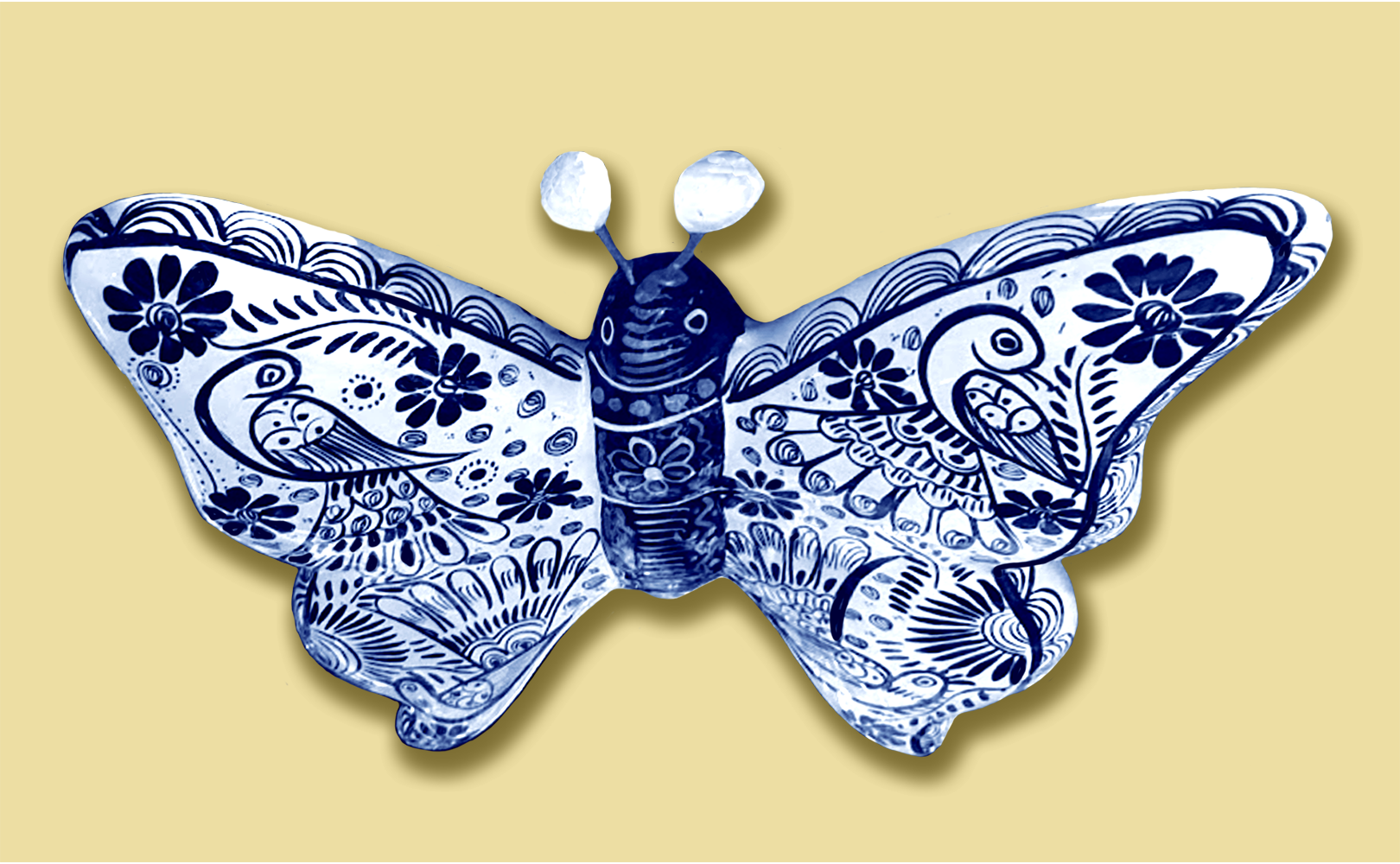
Among the many ceramics on offer, Talavera pottery stands out for its vibrant colors and storied history. Produced primarily in Puebla, Talavera is a type of majolica earthenware distinguished by its white glaze and cobalt blue designs, though other colors such as yellow, green, and orange are also used. The production process is highly regulated, with only a handful of workshops certified to produce authentic Talavera. This pottery traces its origins to 16th-century Spanish artisans who brought the technique to Mexico, where it merged with indigenous motifs. Each piece is hand-painted, making every item unique. Collectors often seek out Talavera tiles, plates, and vases as both functional and decorative works of art.
Ceramic stalls display a vibrant selection of hand-painted dishes, decorative jugs, glasses, cups, ashtrays, and miniature tequila sets—everything you might need to complete or enhance your home collection. The ceramics, often adorned with intricate patterns and bold colors, are sourced from various regions, including Morelos, Guerrero, Oaxaca, the State of Mexico, and especially Puebla, which is famous for its Talavera pottery. Each piece reflects the cultural heritage and artistic traditions of its place of origin.
One of the most remarkable artistic traditions represented in the market is the hand-painted amate bark paper paintings. Originating from indigenous communities in the states of Guerrero and Puebla, these vibrant works of art are created using ancient techniques. Artisans harvest the bark from wild fig or mulberry trees, process it into a fibrous paper, and then paint intricate scenes depicting village life, folklore, flora, and fauna in brilliant, natural pigments. The finished paintings are both visually striking and culturally significant, serving as a testament to Mexico’s rich artistic heritage. Many stalls display a wide variety of amate paintings, ranging from small souvenirs to larger pieces suitable for framing, making them a unique and meaningful addition to any collection.
The Cultural Significance of Amate Paintings
Amate bark paper paintings are more than decorative objects—they represent a living connection to pre-Hispanic Mexican history. The word “amate” comes from the Nahuatl language, meaning “paper,” and the tradition dates back to the Aztec and Maya civilizations, where amate was used for codices, ritual offerings, and official documents. Today, the Otomi and Nahua peoples are the primary producers, using sustainable harvesting techniques to ensure the survival of local flora. The themes of these paintings vary widely, from scenes of daily rural life and festivities to mythological tales and depictions of flora and fauna. Collecting amate art not only supports indigenous economies but also helps preserve an ancient tradition that has survived colonization and modernization. Artisans often sign their works, and many families have established reputations for their distinct styles and thematic choices.
Tips for Visiting and Buying at the Market
To make the most of a visit to the Cuernavaca Artists Market, it is best to arrive early in the day when the stalls are fully stocked and the market is less crowded. Bring cash in small denominations, as many vendors do not accept credit cards. When buying silver, look for official stamped designations and signatures to ensure authenticity. For textiles and ceramics, feel free to ask vendors about the origins and techniques behind their products—most are happy to share their knowledge and may even offer demonstrations. Finally, take your time to explore; the true charm of the market lies in its diversity and the stories behind each handcrafted item.
Bargaining Over Price
Consider leaving behind the rude, dismissive view of bargaining over price upon entering the market. The view that bargaining undervalues an artisan’s time and skill has become increasingly prominent in modern ethical shopping, though it is not universally adopted. While haggling is an age-old tradition in many cultures, the modern sentiment—especially regarding handcrafted, local work—is that such negotiations undermine human labor.
Bargaining is seen as directly insulting the skill, time, and effort put into creating a unique item, especially when it is handmade, as it implies the craft is not worth the price requested.
There is, of course, ethical concerns. Many consumers and ethical experts believe paying full price for artisanal products ensures they receive fair compensation, particularly when buying directly from the maker rather than a middleman. In many contexts, such as local markets for high-quality handmade crafts, prices are set to provide a living wage, making bargaining unnecessary and hurtful.
Shopping in the artist’s market should be seen as a shared social interaction, rather than conflict. The rule of thumb is that, if an item is truly handmade by the person selling it, haggling is often inappropriate. Consider that shopping should be more about value than just the price. Instead of offering a lower price, ask about the materials and time used, which helps justify the cost.
Don’t be the rude tourist who feels that they must bargain for every purchase in life. Maintain a light and respectful demeanor when shopping. If a seller says their price is fixed, respect that answer immediately. Don’t be surprised if the artisan offers a discount more readily to someone who didn’t ask for it, based on the number of items. rather than a single price.
A warm greeting and genuine interest in the artisan’s work can go a long way toward building a rapport, and shoppers are encouraged to ask questions and negotiate respectfully.
An astute shopper will notice that if they are rude and condescending at a stall, the artisan in the next booth will warn other artisans of the shopper’s attitude. Be ready for prices to increase automatically to prevent offset pricing from undermining artisans’ ability to earn a decent living.
In summary, while the “bargaining is rude” sentiment is growing—particularly around “buying fair”—it depends heavily on the venue, the product, and the local culture. The days of bargaining over price are now considered rude and dismissive of artisans’ work.