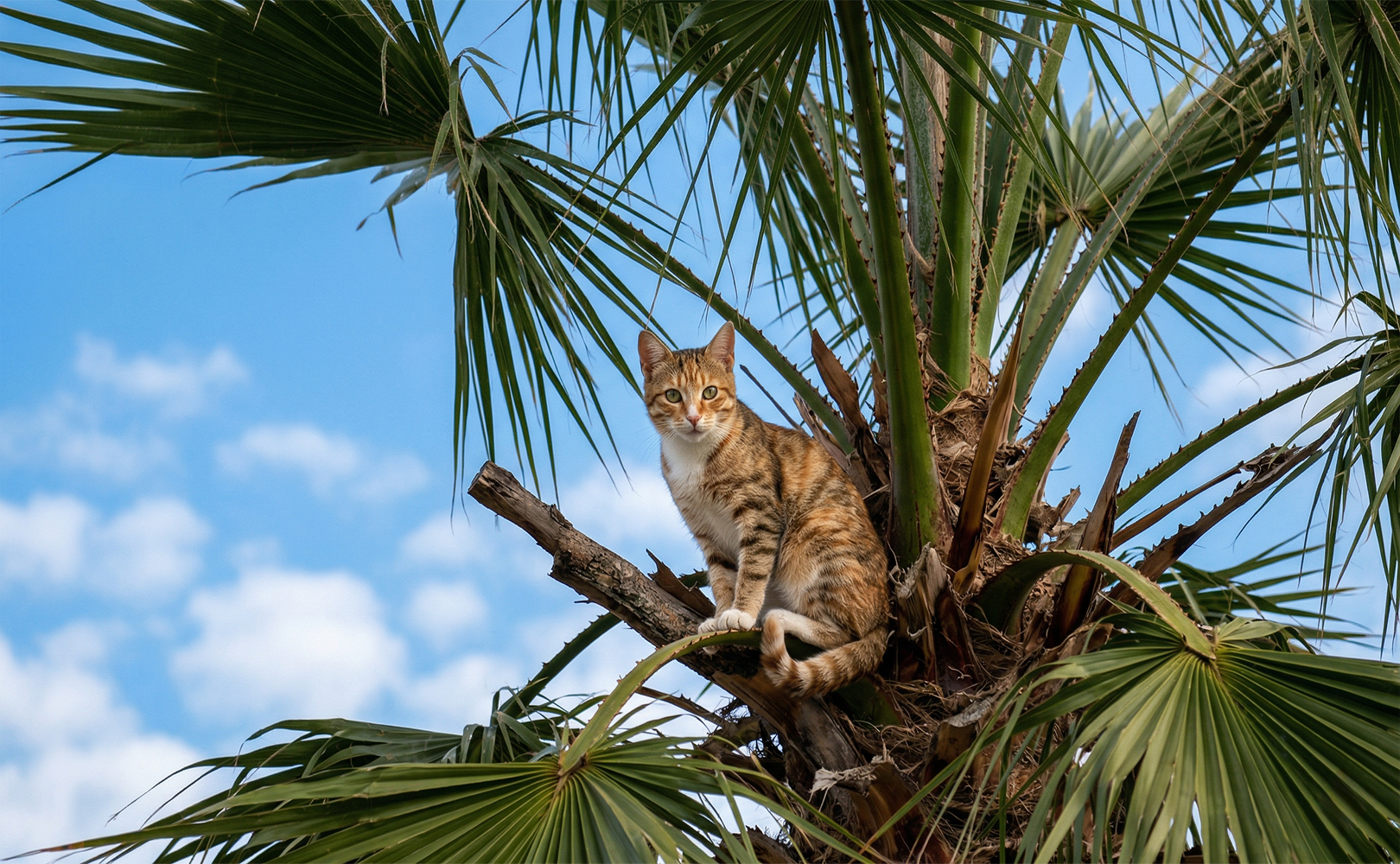
Many of our readers are cat owners who have moved to Cuernavaca with a cat and have experienced Feline Stress Behavior.
Some cats respond to stress by going silent or becoming very still, rather than vocalizing. This behavior is an evolutionary adaptation that helps felines avoid attracting the attention of potential predators. While some stressed cats may vocalize more frequently, others may become withdrawn and less interactive. A common scenario is moving house, which can overwhelm a cat with unfamiliar smells, loud noises, and reorganization of their territory. For example, a normally social cat might hide for days after a move or refuse to eat. Similarly, introducing a new pet into the home can trigger stress in resident cats, causing them to avoid the newcomer, become unusually quiet, or seek isolation. Even something as simple as rearranging furniture, an uptick in household visitors, or changes in the daily routine can prompt changes in communication. Recognizing these real-life sources of stress can help owners understand their cats and support them through transitions.
When a cat shuts down due to stress, the animal may exhibit behaviors such as becoming extremely quiet, holding a tense, stiff posture, and seeking out secluded or hidden places to stay out of sight. In natural settings, felines instinctively conceal signs of distress to reduce the risk of being targeted by predators or dominant animals. This survival mechanism persists in domesticated cats.
Severe or prolonged stress can sometimes lead to stress-induced laryngitis, a condition in which the larynx becomes inflamed, resulting in temporary voice loss or hoarseness. This medical issue can develop when a cat experiences intense anxiety, frequent vocalization, or psychological trauma. Warning signs that require immediate veterinary attention include persistent hoarseness, refusal to eat or drink for more than 24 hours, difficulty breathing or swallowing, drooling, lethargy, or any sudden changes in vocalization accompanied by behavioral changes. Prompt attention from a veterinarian is necessary if symptoms of laryngitis persist, as this condition can also indicate underlying health concerns.
Cats that have experienced traumatic events, chronic stress, or lived in environments with frequent threats may develop a long-term tendency to remain silent as a protective strategy. Over time, these cats may become less likely to vocalize, even when feeling comfortable or safe, as a result of their previous experiences.
Other behavioral indicators of stress in cats include increased aggression or irritability, frequent attempts to escape or avoid interaction, and excessive vocalization in some individuals. Some cats may also display repetitive behaviors, such as pacing, excessive scratching, or chewing on inedible objects. Recognizing these additional signs can aid in early identification and intervention.
Signs of Stress
Hiding: Seeking out secluded, dark, or elevated locations, such as under furniture, inside closets, or on top of shelves, in order to avoid interaction and feel more secure.
Body Language: Displaying wide, dilated pupils; ears flattened or pinned back against the head; whiskers pulled close to the face; a tightly crouched or low-to-the-ground posture; and a tail that may be tucked close to the body or flicking nervously.
Appetite or Litter Box Changes: Reduced appetite, refusal of food, or sudden avoidance of the litter box. Changes in elimination habits, such as urinating or defecating outside the litter box, may be a sign of stress or an underlying medical issue.
Over-grooming: Engaging in excessive licking, biting, or chewing of the fur and skin, sometimes resulting in bald patches, skin irritation, or sores. Over-grooming is often a coping mechanism for stress or anxiety and may require intervention if it leads to self-inflicted injury.
If silence or withdrawal occurs suddenly and is accompanied by noticeable changes in appetite, activity level, or elimination habits, veterinary consultation is strongly recommended to rule out underlying medical conditions. Early intervention can help address both physical and psychological causes of stress-related behaviors.
Management
Management of feline stress involves creating a stable and predictable environment, providing access to safe spaces, and maintaining consistent routines. To help owners know exactly what steps to take, here is a simple action plan:
1. Set up a quiet, comfortable room for your cat during stressful events (like moving or renovations), equipped with food, water, a litter box, and cozy bedding.
2. Gradually introduce any new pets or family members by keeping them separate at first, then allowing brief, supervised meetings while watching closely for stress signals.
3. Maintain a consistent daily routine for feeding, play, and quiet time to provide reassurance and structure.
4. Offer environmental enrichment with interactive toys, scratching posts, and vertical spaces, such as shelves or cat trees, so your cat can observe from a place of safety.
5. Use pheromone diffusers or sprays designed for cats in the home to promote calm, especially during transitions.
6. Give your cat plenty of opportunities to hide or retreat by providing boxes or covered beds in quiet areas.
In severe cases, consultation with a veterinarian or a feline behavior specialist may be necessary to develop an appropriate treatment plan, which could include behavioral therapy or, in some cases, medication.
Prevention strategies for cat stress include early socialization, gentle handling, and positive reinforcement. Engaging your cat in short daily play sessions with interactive toys, such as feather wands or balls, can help reduce anxiety and build confidence. Offering treats during calm interactions encourages your cat to associate positive experiences with routine activities and new situations. Providing hiding spots, cozy beds, and access to vertical spaces, such as shelves or cat trees, can also help cats feel secure. Regular health checkups and prompt attention to physical or behavioral changes are essential for maintaining feline well-being. Owners should monitor for subtle signs of stress and seek professional guidance if needed.

Author: G. William Hood
Author, Columnist, Educator, Epistemologist, and Publisher