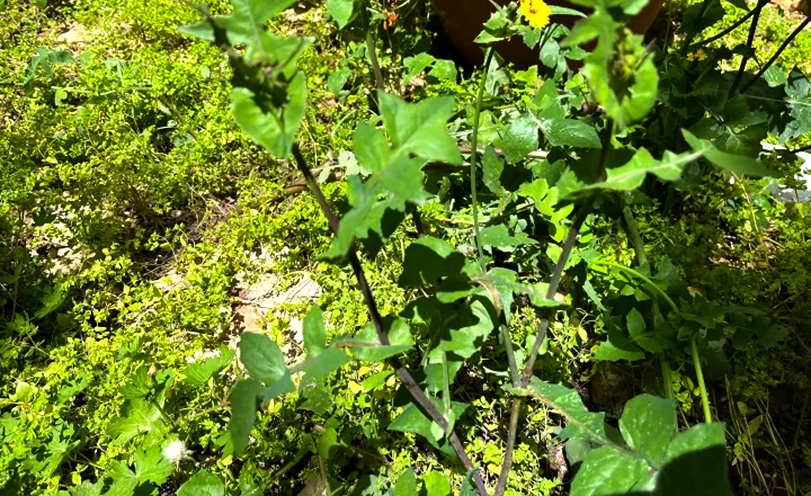
Let’s face it, nothing beats a beautiful garden. However, the biggest problem are those pesky weeds can destroy any garden. This article explains how the weeds get into the garden, how to keep them out, and provides a safe, effective, and budget minded solution to become weed-free in 24 to 48 hours.
Weeds enter the garden from seven sources:
Wind: Seeds with parachute-like attachments, such as those from dandelions, can travel long distances on the wind and land in your garden.
Rainwater: Rainwater can wash weed seeds and fragments from nearby areas, like sidewalks and driveways, into your garden beds.
Animals: Birds and animals can drop weed seeds into your garden after consuming them, or seeds with barbs can get caught in their fur and then dropped elsewhere.
Underground Sources: Many perennial weeds can spread through underground runners or root fragments, which can sprout into new plants.
Soil: You may bring in weed seeds, root fragments, or grubs worms, if you bring in soil or compost from other sources.
Plants and Seed: Poor-quality grass seed or other plants can carry weed seeds into your garden and worse yet grubs that can kill your plants.
Tools: Gardening tools can also carry weed fragments from one area to another. Clean them well after using, then apply a thin layer of light oil over any metal parts to keep them from rusting.
How to prevent weeds from entering your garden
Apply Mulch: A layer of mulch helps suppress weed growth by preventing sunlight from reaching the soil.
Be Mindful of Soil Disturbances: Avoid unnecessary tilling, which brings dormant weed seeds to the surface where they can germinate.
Edge your Garden Beds: Create a barrier between your garden and other areas to stop roots and seeds from spreading into your beds.
Choose Quality Products: Use high-quality grass seed to avoid introducing weeds and select clean birdseed.
Cover Beds Temporarily: If you know when a particular tree releases seeds (like elm or maple), you can temporarily cover your garden beds to prevent those seeds from landing in your soil.
How to get a to a weedless starting point
Weeds can be relentless, but you don’t need expensive sprays or harmful chemicals to win the battle. With a few simple ingredients (that you probably already have), you can zap those weeds the natural way. There are, of course, expensive chemical week killers available from many sources. But how safe are they for humans, pets, and other plants? This super simple method is budget-friendly, non-toxic, and gives you the oddly satisfying thrill of seeing those pesky weeds shrivel up without dousing your garden in chemicals. Plus, it’s one of those weirdly fun weekend projects that makes you feel like a backyard scientist. Or, if you have gardener, give them the ability to use this chemical free-weed control on their next visit.
This is the quick and easy VES (Vinegar, Epson Salt, Soap) weed killer recipe for safe, chemical-free weed control. For larger areas, the cost can be decreased by using table salt instead of Espon Salt, however, it may take more mix and need to be applied more often.
How it works
The vinegar dries the weeds out, the Epsom salts dehydrate them even more, and the dish soap helps everything stick to those sneaky little weeds.
STEP-BY-STEP GUIDE:
Tools and Materials
• Epsom salt (plain, unscented)
• White vinegar
• Dish soap
• A spray bottle
• A funnel (optional)
• Gloves (optional)
1. Mix Up Your VES Weed Killer
In a large pitcher, mix:
• 2 cups of white vinegar
• ¼ cup of Epsom salts
• A good squirt (about 1 tbsp) of dish soap
2. Pour the mixture into a Spray Bottle
Use a funnel if you want to avoid a mess. Pour your mixture into a spray bottle and give it a good shake.
3. Target Those Weeds (On a Sunny Day)
Pick a sunny, dry day for best results. Spray directly onto the leaves of the weeds—don’t soak the soil if you want to protect nearby plants. This mix is non-selective, so what it touches, it kills. Be precise! Within hours, you’ll start to see the leaves curling, browning, and giving up. It’s oddly satisfying. Give it 24–48 hours for the full effect. For stubborn weeds, a second spray might be needed in a week.
4. Reapply as needed
5. Thoroughly clean all containers of the VES mixture, to avoid later transfer to your plants if the containers are used for them.
Bonus Tips for Garden-Safe Spraying
- Only spray when there’s no rain in the forecast for 24 hours.
- Morning is best—let the heat from the sun help after you spray.
- Keep away from grass or any plants you admire. The spray will kill any grass or plants that you spray it on.
Conclusion
Once your garden is weed free, go back to the points under “How to prevent weeds from entering your garden” and review what you need to do better to stay weed free.