Illegal acts, networks of “fixers and facilitators” (Gestión y Tramites Servicios) and other third-party agents, and inefficient procedures are undermining the rule of law and public trust within the Morelos Directorate of Mobility and Transportation, according to multiple sources, including official complaints and investigative reports.
The Directorate of Mobility and Transportation continues to impact citizens through corruption and inefficiency, according to various reports. Observers assert that there is a credibility crisis, with persistent corruption and controversial decisions threatening efforts to reform the Directorate of Mobility and Transportation. Specific instances of corruption have been reported, including the misappropriation of funds intended for infrastructure projects, manipulation of licensing procedures, and widespread bribery to secure preferential treatment. Despite pledges of transparency and efficiency, the Directorate remains mired in these irregularities, fueling public frustration and underscoring the difficulty of implementing promised reforms.
Promises of Change and Dismissal for Corruption
Morelos restructured the Ministry of Mobility and Transportation, transforming it into a coordination unit under the Ministry of the Interior, thereby centralizing authority. Josué Fernández Fernández was appointed head of the new agency, with a stated commitment to eradicating corruption and digitizing procedures to improve service efficiency. However, the impact of these restructuring and digitization efforts has been mixed. While the transition reduced procedural bottlenecks and improved service delivery in certain areas, it did not completely eliminate corruption, as evidenced by subsequent revelations of irregular practices. These outcomes highlight the complexity of unpacking entrenched issues within the Directorate.
However, in November 2024, Fernández Fernández publicly acknowledged irregular practices, including improper charges and influence peddling. During a press conference, he stated, “We have identified areas where improper conduct has occurred, and I am committed to addressing these issues head-on.” This admission highlighted the agency’s persistent corruption, reinforcing the need for comprehensive reforms. Following this admission, the Directorate launched an internal audit to scrutinize suspect transactions and collaborated with external investigators to ensure impartiality. Additionally, training sessions were scheduled to reinforce ethical standards among staff.
The situation escalated in February 2025, when anonymous complaints from citizens and transportation workers uncovered a corruption network allegedly involving the agency’s head and close associates. These complaints, submitted through an anonymous government hotline and documented in letters sent to the Inspector General, described instances of bribery and fraudulent activities orchestrated within the Directorate. The precise details of how officials bypassed regulations and misused their positions were a critical factor in prompting investigations. Despite the compelling nature of the evidence gathered, including documented irregularities and testimonies pointing to systematic misconduct, specific details were not disclosed to the public because they were part of an ongoing investigation. On February 4, 2025, the Secretary General of the Government, Juan Salgado Brito, confirmed the dismissal of Josué Fernández Fernández due to ‘compelling evidence’ of illicit acts.
Jorge Alberto Barrera Toledo, a former federal deputy for Morena, was subsequently appointed as the new director, with the mandate to restore public trust and to guarantee a comprehensive, modern, and transparent mobility model. Barrera Toledo was responsible for implementing reforms and addressing corruption within the agency. He plans to prioritize the deployment of a new anti-corruption task force to review all procedural operations and ensure regulatory compliance. Immediate actions include establishing a transparent complaint and feedback mechanism involving citizens and stakeholders. Additionally, Barrera Toledo aims to digitize all operational processes to boost efficiency and curb opportunities for corruption. While leadership and corruption within the Directorate of Mobility and Transportation appear deeply entrenched, the new strategy holds promise for genuine transformation.
Internal sources, including reports from the internal audit department and anonymous testimonies from employees, have revealed a network of ‘fixers and facilitators’ (Gestión y Tramites Servicios) or other third-party agents who, allegedly backed by certain government officials, facilitate irregular procedures in exchange for cash payments. In one instance, an internal audit document identified transactions indicative of these activities. These individuals openly advertised their services on social media and in expat groups on Facebook, WhatsApp, and other platforms. One online expat group reported has more than 600 members and allows a fixer and a facilitator to openly advertise their services on the site. Vehicle owners filed specific complaints with Profeco regarding this facilitator, but no substantial action has been reported. Additionally, screenshots of these ads have been circulated within internal channels, confirming their reach and engagement.
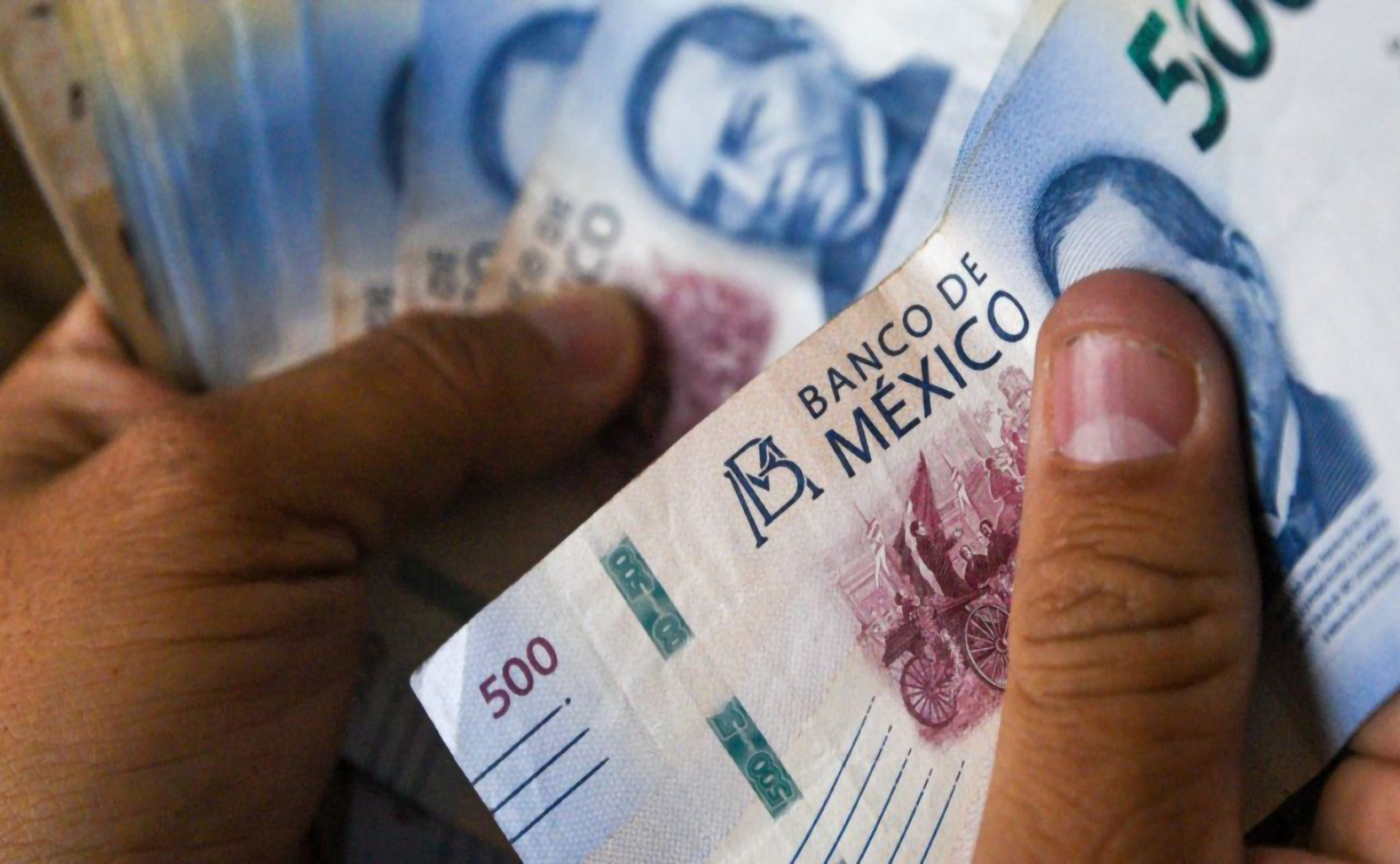
These fixers and facilitators operate openly in key locations, including the Cuernavaca Macromodule, Plaza Cristal in Jiutepec, Xochitepec, Cuautla, Jojutla, Puente de Ixtla, Jonacatepec, and Yautepec. These fixers and facilitators reportedly offer to obtain various documents, including driver’s licenses, vehicle registration permits, vehicle inspections, refrendos, and circulation permits, in exchange for bribes ranging from 800 to 8,000 pesos. Anyone looking to verify these operations can observe the activities at these locations or join online expat and community groups where these services are advertised.<
For instance, a local resident who wished to remain anonymous recounted that they were approached at the Plaza Cristal by a fixer who promised to expedite the processing of licence plates for 2,000 pesos. Another citizen reported that a fixer in an online group guaranteed to replace a lost original factura for a car, while providing all the necessary permits, new license plates, and permits within a day for a fee of 8,500 pesos, bypassing the usual bureaucratic delays. These stories illuminate the pervasive nature of the bribery scheme, highlighting a pattern in which fixers capitalize on inefficiencies within the Directorate to exploit citizens financially. Anyone who spends any time on Facebook has seen the videos offering everything from license plates for any state in the nation to an official driver’s license without taking the test.
One such network is allegedly headed by Martín Dámaso, alias ‘El Negro.’ Dámaso previously served as head of the mechanical inspection department (2006-2012) and as director of public, private, and individual services (2018-2024) within the Directorate, leveraging his institutional knowledge and contacts. This information comes from whistleblower reports and investigative records available within our internal audit department. He is reportedly the head of a widespread organization of dozens of fixers or facilitators in Morelos. Members of the group are alleged to operate a scheme where procedures such as registering luxury vehicles or transferring ownership generate profits of approximately 1,250 pesos for every 100,000 pesos of market value.
This network has allegedly facilitated the registration of numerous high-end vehicles in Morelos, raising suspicions of money laundering and influence peddling within the agency. Investigative reports from the internal audit department and independent analysts, dated March and August 2023, indicate that many of these vehicles, whose documentation was questionable, were traced to regions with high levels of organized crime. Additionally, financial audits conducted by reputable third-party agencies, such as Acme Audit International and Finance Watch, have identified irregularities in transaction patterns associated with these registrations, further substantiating concerns about illicit financial operations linked to the Directorate. Journalists can access these reports through the public records archive at the Directorate or by contacting the audit agencies directly.
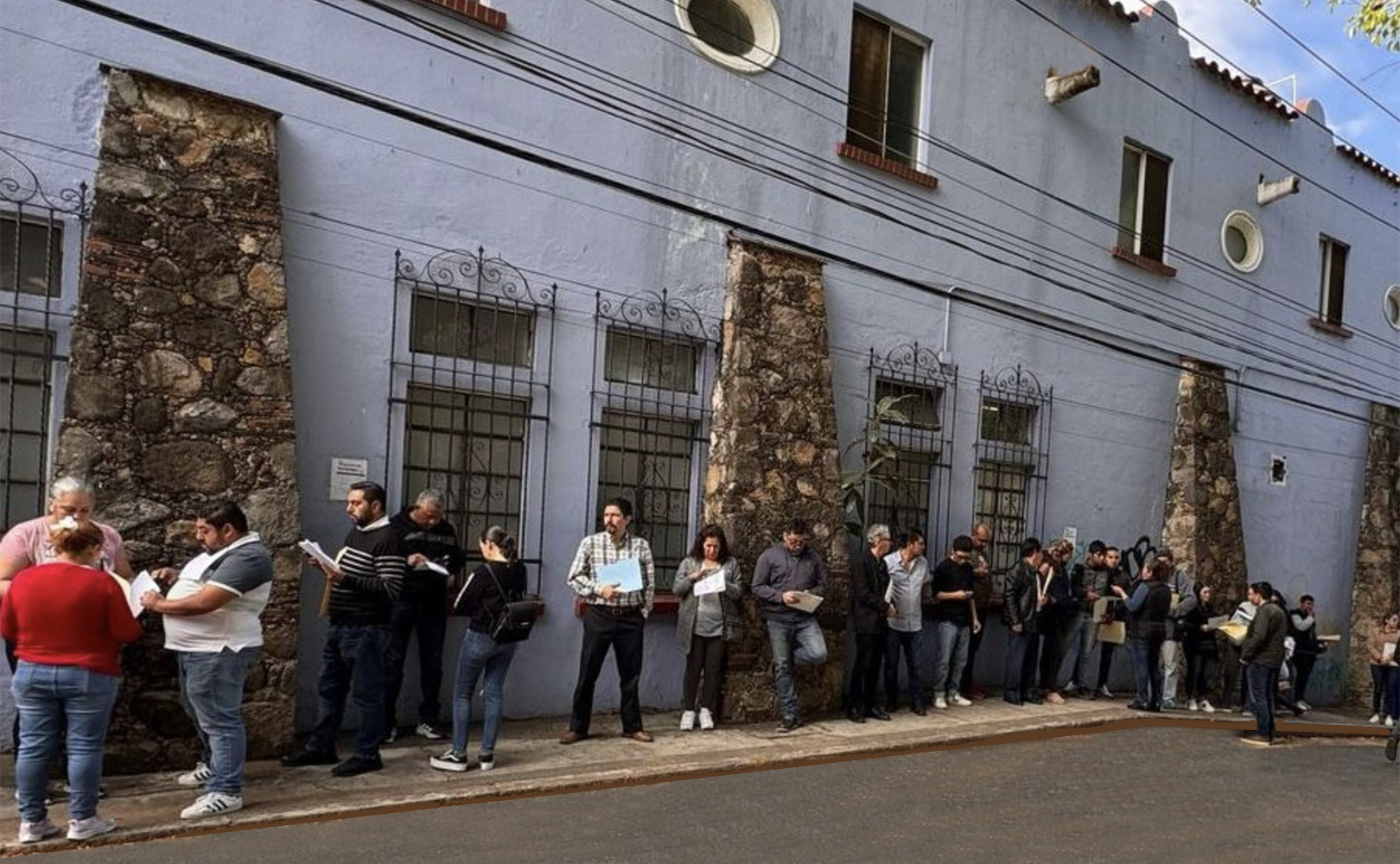
In addition to corruption scandals, the Directorate faces an operational crisis. Citizens have reported difficulties with licenses, vehicle registrations, and permits. Reports say users must arrive at 4 or 5 a.m. for a number, often with no guarantee of service due to poor organization and staffing. Long waits have fueled protests and public frustration.
Crisis within the Morelos Government
The crisis at the Directorate of Mobility and Transportation adds to other challenges facing the state government. The administration is also under scrutiny regarding alleged illicit activities during the tenure of former Governor Cuauhtémoc Blanco. The current administration has stated that it is committed to implementing decisive measures against corruption and ensuring that appointments to public office reflect the integrity and competence of officials. However, the persistence of networks of fixers and inefficiencies in bureaucratic procedures has led to skepticism about the state government’s ability to restore public trust and eradicate corruption in one of the key areas of daily life for Morelos residents.
To address these concerns, journalists can take several concrete steps to conduct further investigations. Exploring the effectiveness of recent reforms might involve attending court hearings linked to ongoing prosecutions of government officials. Reporters should request access to public records from the Directorate of Mobility and Transportation to review the documentation of reported irregularities. Interviewing named officials directly involved in reforms or those implicated in corruption scandals could provide firsthand insights. Engaging with the communities most affected by these irregularities through interviews could help capture the local impact and gather additional evidence. Monitoring transparency measures might also involve analyzing monthly or quarterly reports issued by audit agencies to assess progress. These strategies provide a structured approach for journalists looking to build a robust case against inefficiencies and corruption.