Leaf Cutter Ants (Chicatanas) love Cuernavaca’s climate! But, they can destroy a garden in one night. The problem is easily resolved with a trip to Iwamoto Agroservicio and Garden and purchasing an appropriate amount of inexpensive Trompa™ Pellets.
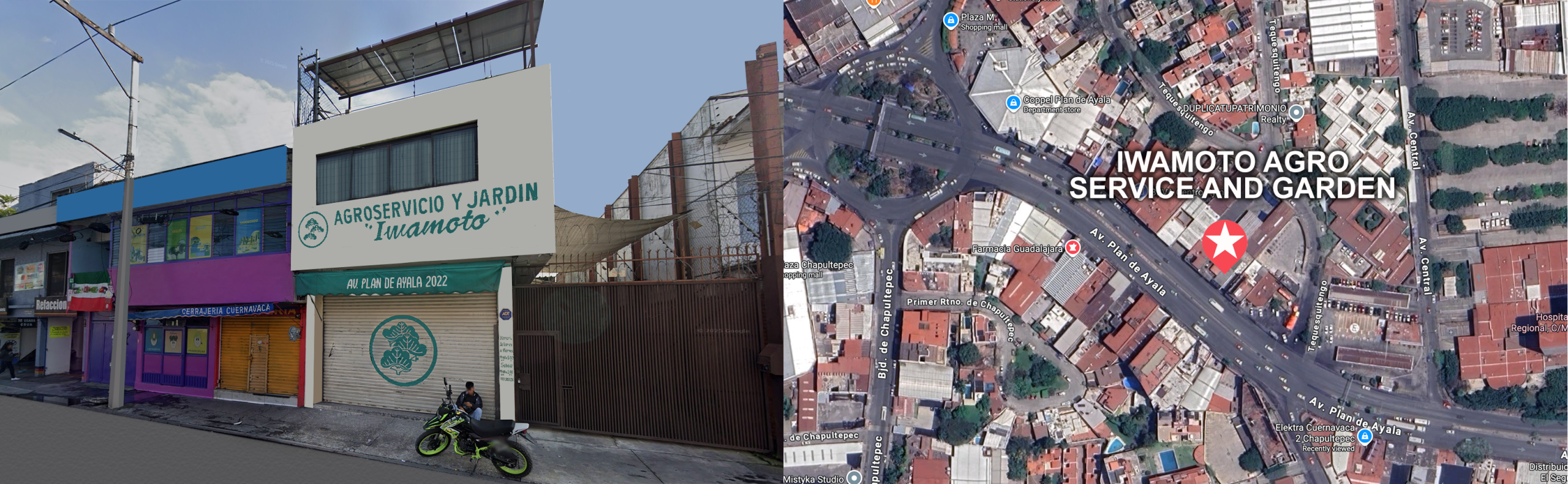
Iwamoto Agroservicio and Garden
Address: Av. Plan de Ayala 2022, Cuauhnahuac, 62430
Phone: 777 315 5250
Open 9am to 5pm Monday through Saturday, Closed Sunday
Trompa (often referred to as Trompo) is a commonly used, effective, and relatively affordable pelletized bait designed to control leaf-cutter ants (such as Atta méxicana and Acromyrméx) and Scorpions. It works by enticing the worker ants to carry the toxic granules back to their nest, where the poison destroys the fungus gardens that the colony feeds upon. Here are the best practices for using Trompa for leaf-cutter ants based on user experiences:
Application Methods
• Locate the Nest/Trails: The best method is to go out after dark with a flashlight, find the active foraging trails, and, if possible, identify the main nest holes.
• Apply Near Trails and Holes: Sprinkle the pellets near the entrance of the nest or along the active, well-worn trails.
• Don’t Overload: A small amount (a teaspoon or two) is sufficient per hole/trail. If they carry it away, you can add more.
• Do Not Apply in Rain: The bait will degrade, and the ants will not transport it.
• Use Directly from Package: Avoid touching the product with your hands so the ants do not detect human scent.
Tips for Success
• Persistence: It is rarely a one-time fix. Regular, repeated applications are usually necessary to kill the entire colony in a deep nest.
• Combine with Other Methods: For severe infestations, consider calling an exterminator with experience in Leaf Cutter Ants.
• Safety Warning: Be aware that these pellets can be toxic to pets. Placing a covering, like a piece of wood or a roof tile, over the bait pile will assist in protecting pets.
Alternative Products/Methods
If Trompa is unavailable, other options mentioned include:
• Patron or Amdro: Similar granule baits.
• Rice/Crushed Corn: A natural, non-toxic method is placing white rice near the nest; it gets carried inside, rots, and kills the fungi gardens.
• Homemade Yeast Mixture: Warm water, yeast, and a small amount of sugar poured on trails can also disrupt their food culture.
• Corn Tortillas: Cut into extremely small pieces. They will take these pieces back to the nest, where the tortillas will grow moldy with aspergullus that will attack the fungi gardens.
Note: Leaf-cutter colonies can be massive, with nests extending 15 feet deep, so complete eradication can take time. Trompa has been evaluated extensively by the EPA for its effect on humans and the environment. Most formulated products are of low toxicity to humans and other mammals, making it safe to use. Trompa is relatively non-toxic to birds; however, it is highly toxic for bees and fish.
Fire Ants
See the article at Eradicating Fire Ants
Black Ants
To kill black ants, use borax-sugar baits (slowly kills the colony), vinegar/soap sprays (kills on contact), or diatomaceous earth, focusing on eliminating the nest by having workers carry bait back, while also sealing entry points and removing food sources for long-term control. For immediate action, spray ants with a dish soap and water mix, but baits are best for colony eradication.
• Borax & Sugar Bait: Mix 1 part borax with 2 parts sugar (or equal parts) with a little hot water to make a syrup. Soak cotton balls in it and place in jar lids or foil cups near ant trails (keep away from kids/pets). Ants carry it back to the nest, killing the colony in days.
• Baking Soda & Sugar Bait: Equal parts baking soda and powdered sugar attract ants and eliminate them when consumed.
Contact Killers & Repellents (For Immediate Results)
• Soap & Water: Mix dish soap and water in a spray bottle and spray directly on ants to break down their exoskeletons.
• Vinegar & Water: A 1:1 mix of white vinegar and water kills on contact and deters them due to the strong smell.
• Diatomaceous Earth (DE): Sprinkle food-grade DE where you see ants; it’s a natural powder that dehydrates them.
• Essential Oils: Peppermint, tea tree, or eucalyptus oils can deter ants but can be harmful to pets.
Prevention & Long-Term Control
• Seal Entry Points: Caulk cracks and gaps in walls and foundations.
• Eliminate Food Sources: Store food in sealed containers, clean spills immediately, and don’t leave pet food out.
• Remove Water: Fix leaky pipes and faucets.
When to Call an Exterminator
If you have a large infestation, especially carpenter ants (which signal wood rot), an exterminator can provide more targeted chemical treatments for complete colony elimination. We recommend Arturo Gómez, the owner of Finsect. They are registered with México’s Secretary of Health and have many years of experience with all types of infestations.