 Dell Furano (29 March 1950 – 4 September 2021) stood out as a visionary music business executive and entrepreneur, whose career has profoundly shaped the landscape of concert merchandise. Dell Furano was born in Nevada City, California near Lake Tahoe. After graduating from Stanford University in 1972 with a degree in Political Science and Government, he teamed up with Bill Graham to manage the Winterland Ballroom in San Francisco.
In 1974, he joined forces with his brother, Dave Furano, Donald Hunt, and the legendary concert promoter Bill Graham to co-found Winterland Productions—a groundbreaking company that would come to be recognized as the “First Concert T-shirt Manufacturing Company.” This pioneering venture quickly established itself as the leading merchandising and licensing entity at a time when the rock concert industry was burgeoning. Winterland Productions was instrumental in producing a vibrant array of music memorabilia that included not just T-shirts, but also posters, promotional items, and a variety of merchandise that resonated deeply with fans and collectors alike.
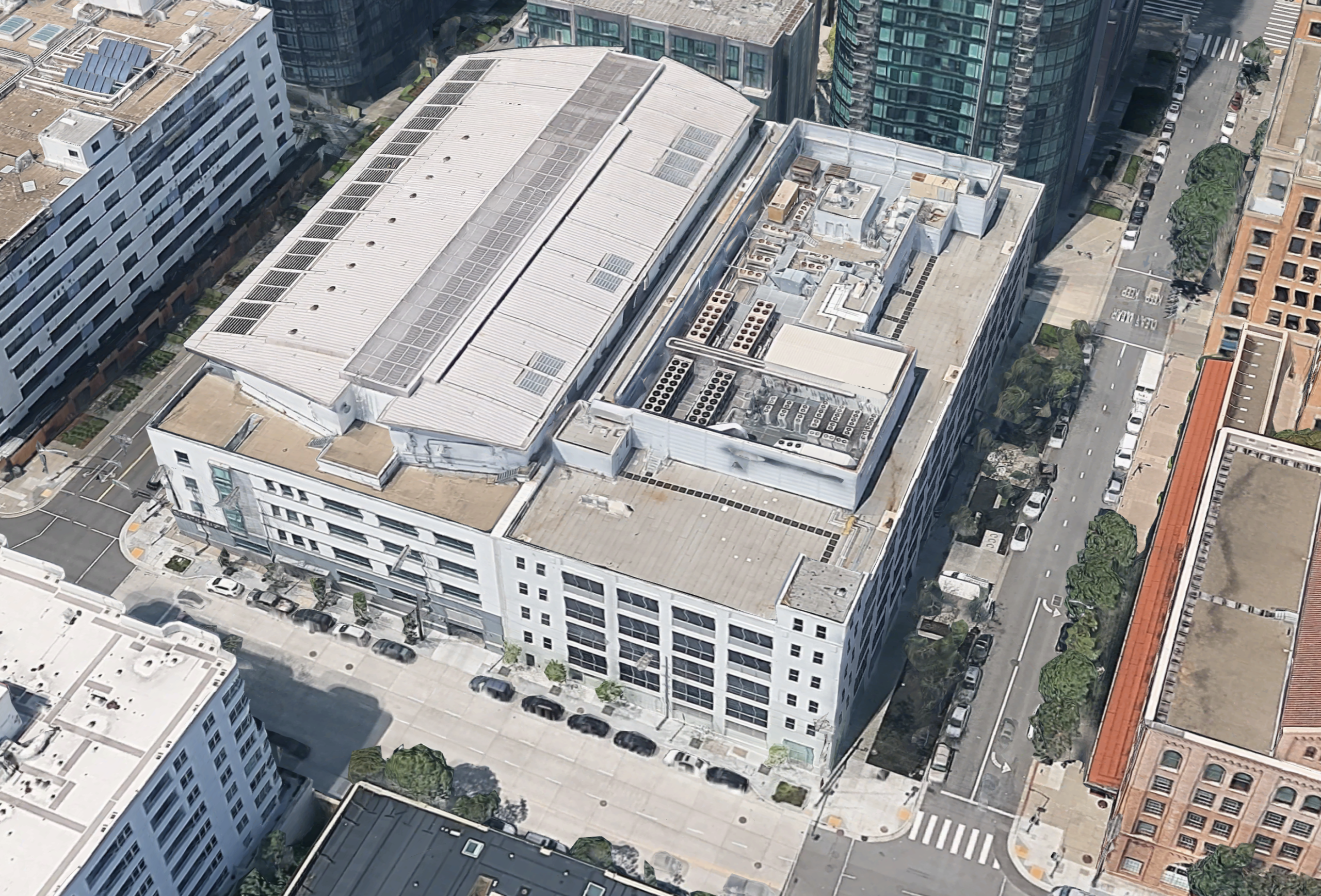
The headquarters of Winterland was situated at 100 Harrison St. in the heart of San Francisco—a location that fostered both creativity and operational efficiency. This impressive five-story structure featured a sprawling 155,000 square feet, meticulously designed for diverse functions including design, production, warehousing, and shipping of products. Within this bustling hub, a dedicated team of 25 talented artists worked tirelessly, generating fresh designs each day, while a dynamic workforce of 500 skilled employees operated 18 high-capacity printing presses. Together, they produced an astounding 57,000 T-shirts daily, ensuring that the demands of the rapidly growing concert merchandise market were met with unmatched speed and quality.
The company’s name, “Winterland,” pays homage to the iconic Winterland Ballroom, a venue made famous by Bill Graham that played host to a plethora of legendary rock musicians. Dell Furano had a personal connection to this celebrated venue, having served as its manager. A groundbreaking idea emerged when the then-wife of Bill Kreutzmann, the drummer for the Grateful Dead, suggested that a table be set up to sell T-shirts after concerts. This innovative approach not only transformed the concert-going experience but also established a new revenue stream for artists, paving the way for the concept of concert merchandise as we know it.
Expansion with Rock Express
In 1984, Winterland recognized the potential for expanded consumer engagement and launched a retail division known as Rock Express. This new venture offered an extensive inventory of merchandise, including T-shirts, posters, buttons, keychains, bumper stickers, decals, and photographs. The launch of Rock Express significantly broadened Winterland’s market presence, transforming it into a household name among music fans. By 1991, Winterland had secured a groundbreaking agreement to distribute Rock Express merchandise in over 100 Sears department stores across the U.S., thereby embedding the brand deeply in popular culture and making concert memorabilia accessible to a wider audience.
Throughout the mid-1980s, Winterland further solidified its position as a dominant player in the industry by becoming the exclusive merchandising provider for iconic benefit concerts. The company handled merchandise for monumental events such as Live Aid and Farm Aid, as well as initiatives like Hands Across America and USA for Africa. This pivotal involvement not only enhanced Winterland’s reputation but also underscored its significant impact in the charitable music scene, as fans became more engaged in social causes associated with their favorite artists.
Transition to MCA/Universal
A major turning point in Winterland’s history occurred in 1988 when Bill Graham and Dell Furano decided to sell the company to Irving Azoff and MCA/Universal, while Furano remained at the helm as CEO. This transition marked a new chapter for Winterland, bringing in fresh resources and strategic direction. In 1989, the company found itself embroiled in a notable legal battle when it, along with Great Southern Productions, filed suit against various parties in the comic book industry concerning the publication of Rock ‘N’ Roll Comics issues featuring Bon Jovi and Mötley Crüe. Both bands held exclusive merchandising agreements with Great Southern/Winterland Productions, which led to a court injunction that successfully halted the distribution of the comics, thereby affirming Winterland’s authority in the merchandise licensing arena.
The early 1990s heralded a period of explosive growth for Winterland, as the company shifted its focus towards custom contract screen printing for a diverse array of pop culture clients, prominently featuring the Hard Rock Cafe and Disney Stores. Winterland also formed collaborations with major apparel manufacturers, including Levi Strauss & Co., Donna Karan, and The Gap, further broadening its scope and influence. In addition to its bustling headquarters in San Francisco, Winterland expanded its international footprint by establishing an office in London and forging partnerships with distributors in key markets such as Japan (Dentsu), Australia (ATM), and the United Kingdom (Ultraviolent). During this dynamic period, Winterland faced stiff competition from industry rivals such as the Brockum Group, Giant Merchandise, Great Southern Company, and Nice Man Merchandising, yet the company continually adapted and thrived.
In 1993, after nearly two decades of contributing to Winterland’s success, Dell Furano made the pivotal decision to leave the company to launch Sony Signatures, the entertainment merchandise, licensing, and consumer products division of Sony Corporation. This transition came on the heels of Bill Graham’s passing in 1991, effectively closing a chapter in the history of a highly influential partnership in the concert promotion landscape.
Challenges and Changes
The late 1990s brought significant changes for Winterland when it was sold in 1996 to businessman Mort Lapidus’ MML Inc., an East Coast holding company. At that juncture, Winterland held merchandising rights for high-profile artists including Alanis Morissette, Eric Clapton, Madonna, and Boyz II Men, in addition to classic rock legends like Led Zeppelin, the Doors, and the late Jerry Garcia. The company also enjoyed apparel licensing rights associated with iconic film and television franchises such as Jurassic Park, Pulp Fiction, The Flintstones, Clueless, Star Trek, and Twister. However, despite these assets, Winterland faced increasing financial pressure that culminated in bankruptcy by the dawn of the 21st century, marking a profound shift in its trajectory.
In 1999, Furano established Signatures Network, Inc. and expanded the enterprise into developing musicians’ online presence, including the management of official websites, social media pages, VIP ticketing/fan club programs, and e-commerce sites.
Reacquisition and Legacy
In a dramatic turn of events, Dell Furano, alongside Donald Hunt, made a triumphant return to the company in early 2002 by repurchasing Winterland—against a backdrop of changes in the industry—for over $10 million. This reacquisition symbolized both a homecoming for Furano and a renewed commitment to a brand that had significantly influenced the music merchandising landscape since its inception. By 2008, Winterland, which had evolved into Signatures Network, Inc., was sold to Live Nation Entertainment for approximately $79 million in a deal that included cash, stock, and the repayment of debt, before working capital adjustments., with Furano taking on the role of CEO of Live Nation Merchandise.
Ultimately, three years later, in 2011, the Winterland brand was retired, marking the end of an illustrious chapter in the history of concert merchandise, but leaving behind a legacy defined by innovation, resilience, and a transformative impact on the world of music merchandising.
In 2014, Furano and his wife Kym Furano founded Epic Rights, a full-service entertainment agency and brand management company based in West Hollywood, CA. Epic Rights offered services in celebrity, retail fashion and lifestyle branding, ecommerce sales, VIP ticketing, digital fan communities, and global tour merchandising. The company represented many major artists and brands like AC/DC, KISS, and Aerosmith. In 2019, Universal Music Group’s brand management arm, Bravado, acquired Epic Rights, with its operations integrated into Bravado.
Furano was a board member of the International Licensing Industry Merchandisers’ Association (LIMA), the leading trade organization for the worldwide licensing industry. Furano was inducted into the LIMA Hall of Fame in 2017, the first member of the music industry to be inducted.
Winterland Productions Staff Members
Donald Hunt, Chief Operating Officer
Rick Fish, Senior Vice President
Frank Vacanti, Production Manager
Carol Hoover, Creative Director
Sandy Horvat, Art Director
Roger Jackson, Senior Artist
John List, Traffic Manager
Collen Weiss, National Sales Manager
Paul Grushkin, Account Manager
A significant number of employees of Winterland are still active in screenprinting, including Mark Gervais – Director of Screen Print, Ningbo Shenzhou International Group Holdings Ltd (2009-Present) who got his start as Winterland.
Dell Furano died on 4 September 2021 after a battle with cancer. He was 71.