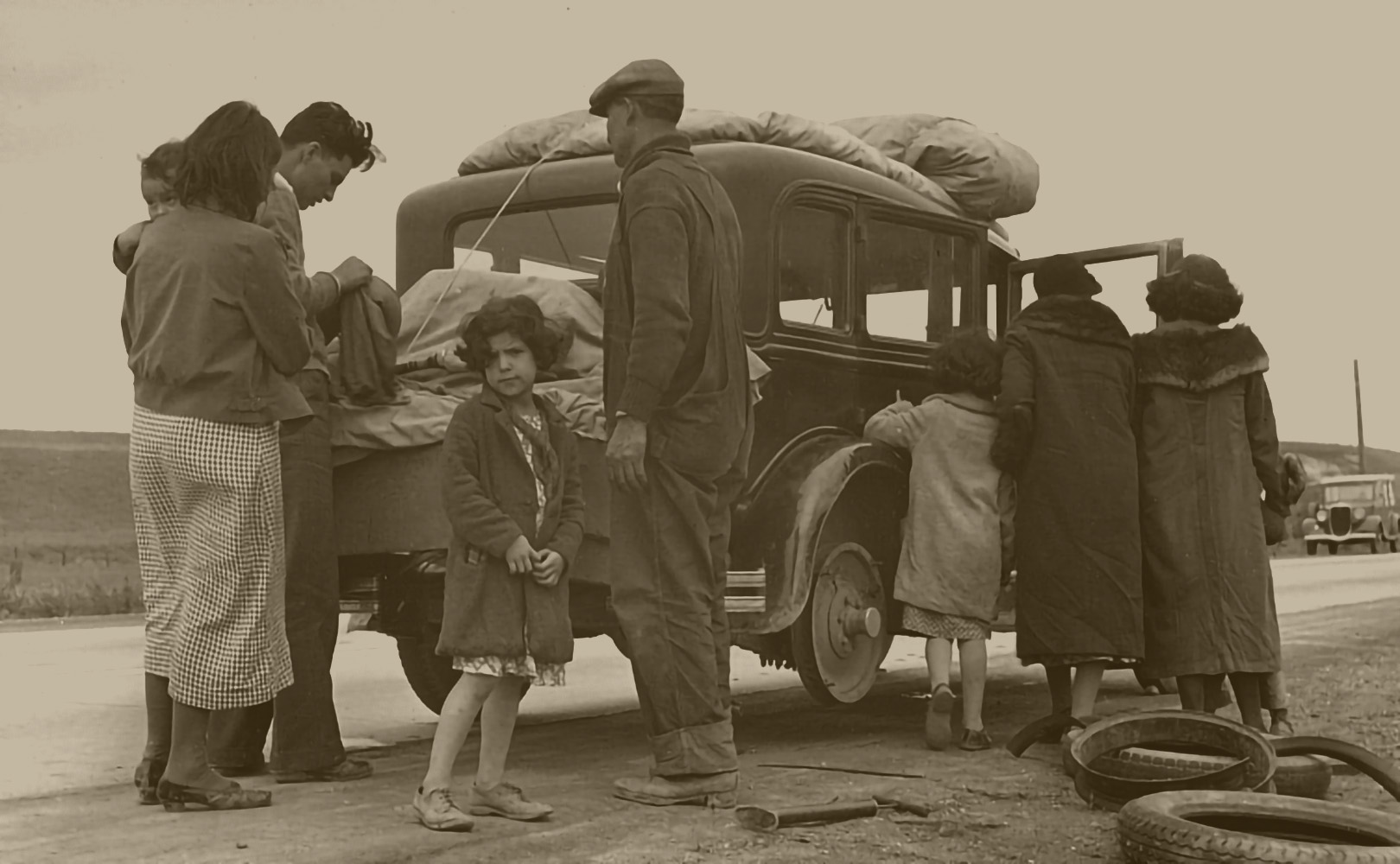
The targeting of American citizens by immigration authorities is neither isolated nor a recent occurrence. Historical precedent exists when the U.S. government orchestrated large-scale, state-sanctioned removal programs.
Most people relate the word Gestapo with Nazi Germany. It is true that it is the abbreviation for Geheime Staatspolizei, which translates to Secret State Police in English. It was used by Nazi Germany in 1933. This brutal, extrajudicial force was responsible for hunting down Jews, and other persecuted groups and enforcing Hitler’s will through surveillance, torture, and intimidation. Today, the term is frequently used in English to refer to any secretive government organization that operates with extreme, unchecked brutality and oppression, and unfortunately, this current use includes the US government use of U.S. Immigration and Customs Enforcement (ICE) and the U.S. Border Patrol on a nationwide basis.
Hundreds of US citizens have been arrested in the most recent immigration raids. They have been attacked with pepper spray, then kicked, dragged to the ground and beat with batons, and metal gas containers, detained and sent across the country to prison camps where they were held incognito from their family and lawyers. These actions underscore a troubling phenomenon: U.S. citizenship does not invariably safeguard individuals from removal by immigration authorities. The prevailing assumption that citizenship guarantees protection and belonging is both widespread and misguided, as it overlooks the complex and often troubling history of citizenship and exclusion in the United States.
The once held thought that once someone becomes a U.S. citizen, they have full constitutional protections and the right to remain in the country is no longer true. While the deportation of U.S.-born citizens is unlawful, reports indicate that U.S. Immigration and Customs Enforcement (ICE) has mistakenly been deporting U.S. citizens based on nothing more than skin color or speech accent. Other studies suggest thousands more have faced immigration detention or deportation proceedings without a court order.
Colonization of America
This inappropriate and illegal targeting of citizens by immigration authorities is not new. Historical precedent exists when the U.S. government orchestrated large-scale, state-sanctioned removal programs. In truth, this goes back to the colonization of America and includes both North and South America. Native American population declines during colonization were massive, with estimates suggesting a reduction from a pre-Columbian population of around 145 million in the Americas to 15 million by the late 17th century, driven by disease, war, and famine
- Total Mortality (Americas): The population decreased by over 90% in some regions due to epidemics like smallpox, as well as violent conflicts and forced labor.
- US Atrocities: One study estimated over 7,000 Native Americans died in specific atrocities (massacres/murders) by European descendants between 1511 and 1890.
- Deportation: In the USA, American Indians were captured and imprisoned before being deported to reservations far removed from their native homes. Forced to walk thousands of miles, many died during the deportation.
- California Genocide: Between 1846 and 1873, an estimated 9,400 to 16,000+ California Native Americans were killed by non-Indians.
Note: These numbers often reflect specific, recorded events rather than the total, catastrophic death toll from disease and systemic destruction, which are difficult to quantify precisely.
The Palmer Raids
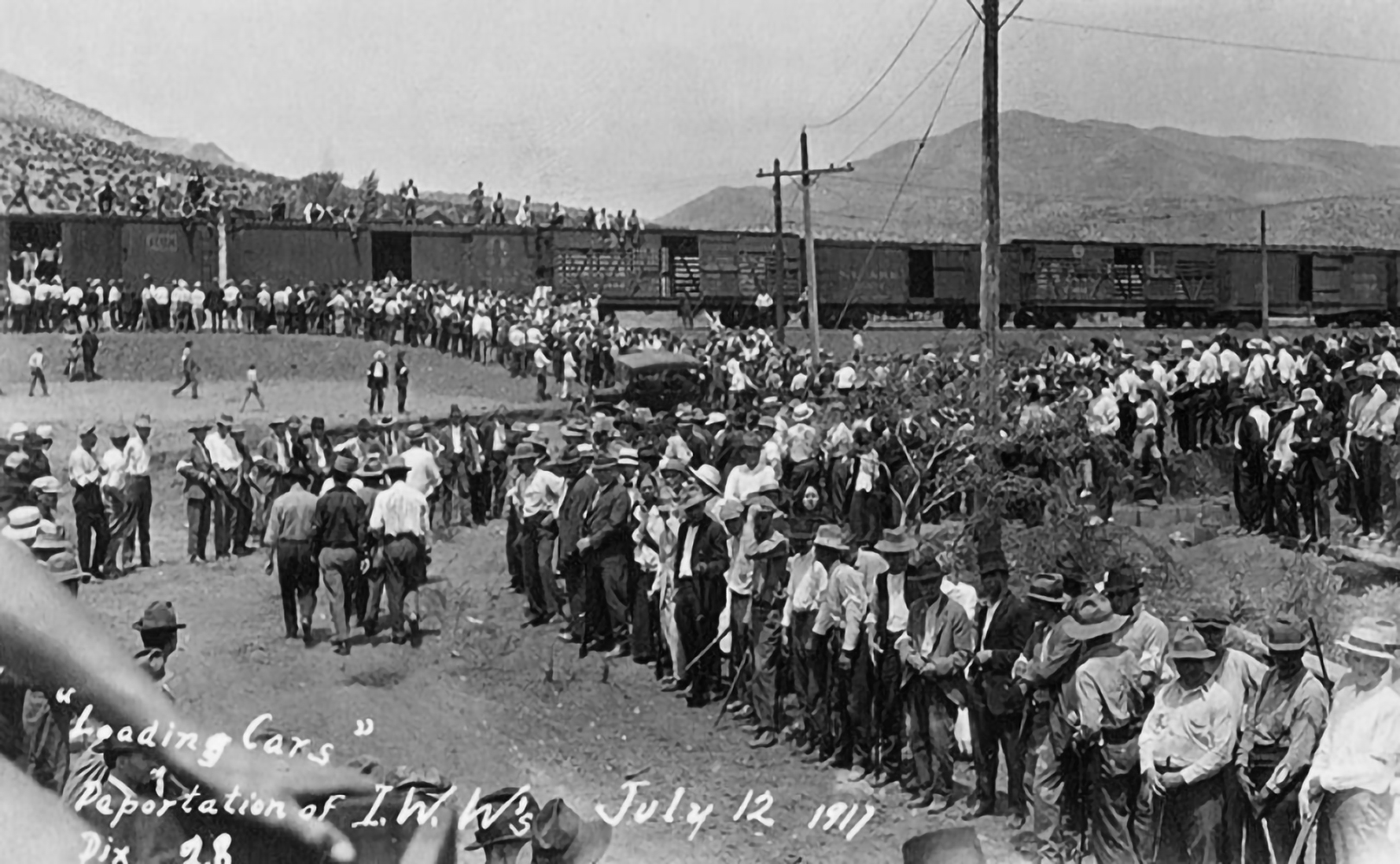
On Sept. 5, 1917, in 48 coordinated raids across the country, in a practice later known as the Palmer Raids, federal agents seized records, destroyed equipment and books, and arrested hundreds of activists involved with the Industrial Workers of the World (IWW). While the exact number is unknown, a good portion of members of IWW, who were not born in the USA were deported. A large percentage of which were Mexicans citizens.
The Mexican Depression Repatriation
In the 1930s, as the Great Depression devastated the country after the 1929 stock market crash, Mexican immigrants and Mexican Americans became convenient scapegoats. The prevailing political rhetoric was that they were “stealing American jobs” and that removing them would free up work for white Americans.
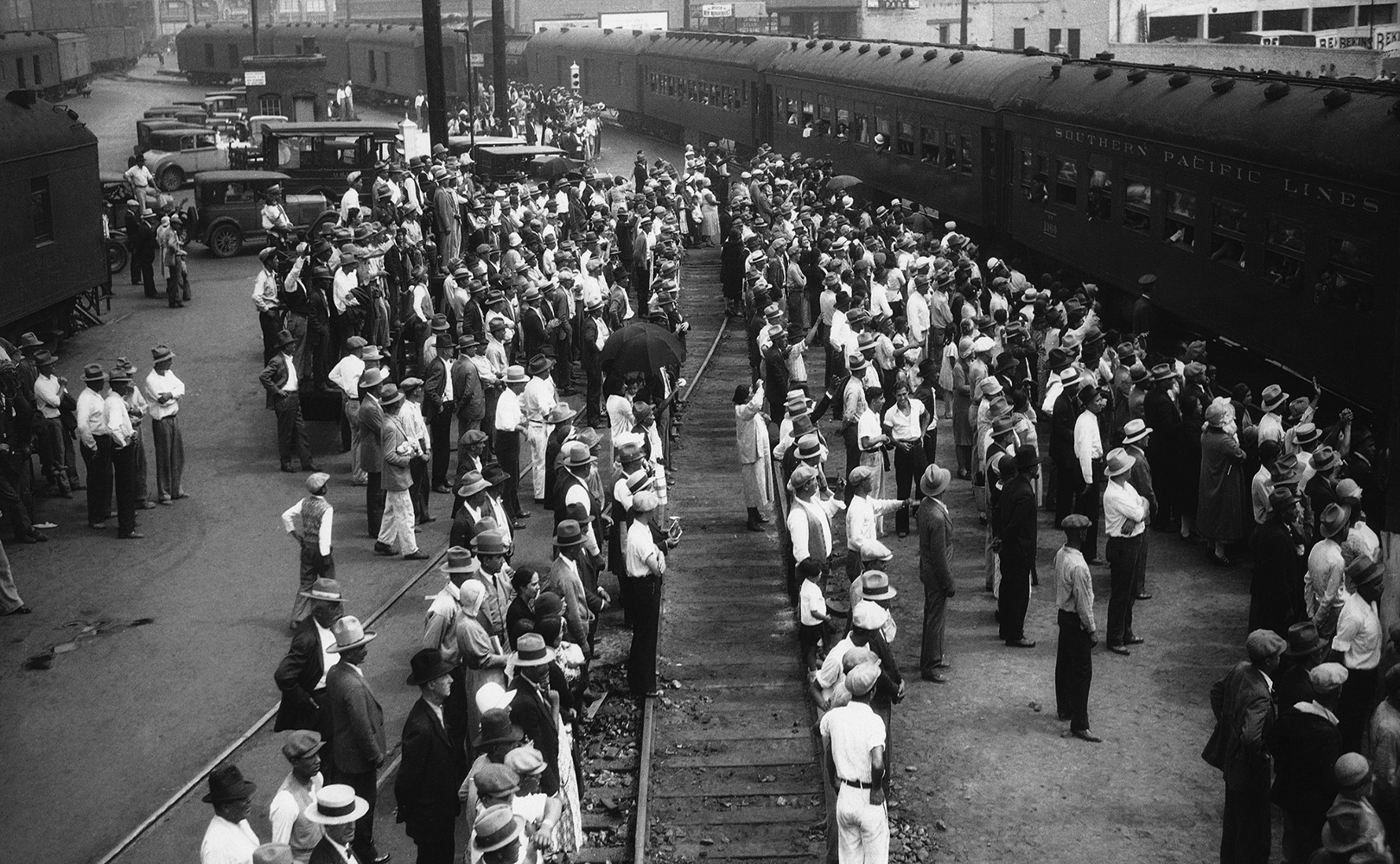 It is estimated that about 2 million people, 60% of whom were American citizens of Mexican descent, were removed to Mexico as part of a Depression-era effort known as repatriation. It was commonly referred to as The Mexican Depression Repatriation and colloquially as The Great Mexican Extermination.
Authorities at the time made no distinction between Mexican immigrants, their U.S.-born children, and Mexican-American families who had lived in the Southwest for generations when the half of the US was the property of Mexico. Together, they were all treated as foreigners in their own country.
This population was systematically regarded as separate from the broader American community, reinforcing an essentialist notion of identity summarized by historian Francisco Balderrama as, “a Mexican is a Mexican.” Although the policy was justified on economic grounds, evidence suggests that the repatriation program may have exacerbated existing socioeconomic issues.
Nonetheless, this economic rationale has been thoroughly discredited. For example, a 2017 research study (“The Effect of Deportations on the Wages and Employment of Native Workers: Evidence from the Mexican Repatriation” by Francisco E. González and Delia Furtado) found that the repatriation program failed to produce a significant increase in employment for non-Mexican Americans who remained in the United States. On the contrary, the removal of such a substantial segment of the population may have further destabilized local economies. These findings illustrate how economic anxieties have historically been manipulated to justify discriminatory policies—a pattern that remains relevant in contemporary society.
Operation Wetback
On July 15, 1954, the U.S. government launched Operation Wetback, a campaign under President Dwight D. Eisenhower that became the largest mass deportation in American history. Under the supervision of Immigration and Naturalization Service (INS) Commissioner Joseph Swing, the U.S. Border Patrol began the second phase of an immigration law enforcement initiative in the lower Rio Grande Valley of Texas. The program, officially known as “Operation Wetback,” employed the pejorative term “wetback” often used to refer to Mexican citizens who entered the U.S. by swimming across the Rio Grande River.
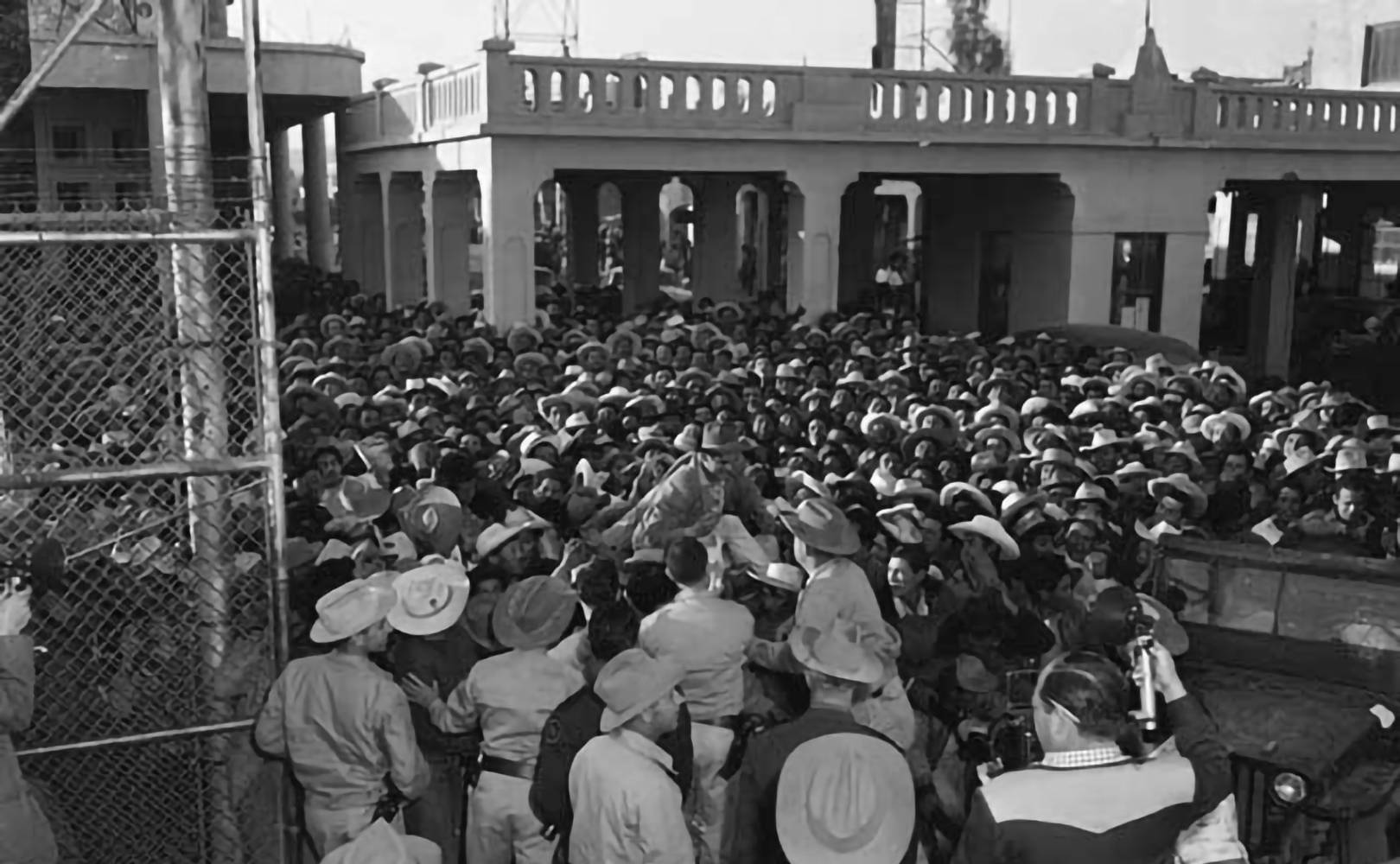
The program targeted undocumented Mexican immigrants, using military-style raids and harsh tactics that often violated human rights. An estimated 1.3 million people were reportedly deported, though historians suggest the true figure was less. Many were U.S. citizens or legal residents swept up in the chaos, (including those were born in the U.S. but were married to Mexicans), forced across the border into Mexico without resources or support. Thousands died from disease, heat, and neglect while in custody or during transport.
Attorney General Brownell promoted the crackdown based on his assertion that “the Mexican wetback problem was becoming increasingly serious” because Mexican immigrants were “displacing domestic workers, affecting work conditions, spreading disease, and contributing to crime rates.” INS deployed hundreds of agents to the Rio Grande Valley to locate and deport to Mexico anyone they suspected of being in the U.S. without legal status. The following September, INS initiated a similar operation in the Midwest.
Border agents’ tactics included descending on Mexican American neighborhoods, demanding identification from “Mexican-looking” citizens on the street, invading private homes in the middle of the night, and raiding Mexican businesses. Without a hearing or oversight, agents often seized and deported people who were lawfully in the country. By the end of these crusades in California, Arizona, and Texas, as many as 200,000 Mexican immigrants had returned to Mexico—including many who were not undocumented and some who were U.S. citizens. Some immigrants left on their own in the face of the large-scale harassment, but many were taken under Border Patrol escort.
The mandatory deportations were done at the deportee’s expense and cost some people all the money they had earned while working in the U.S. At the program’s close, Attorney General Brownell praised the effort, which violently displaced hundreds of thousands of people from their homes, as a success.
Recent Cases
The recent cases of U.S. citizens detained by the Gestapo-like immigration authorities are not modern anomalies. They are echoes of a long-forgotten history of betrayal. Learning about this past forces us to confront an unsettling question: If history can be so easily forgotten, what does that mean for the rights we assume are permanent? To ensure these stories are remembered and to safeguard against future injustices, it is vital for readers to educate themselves and others about these issues. Sharing this history can raise awareness and promote civic engagement. Supporting organizations that advocate for citizen rights and immigration reform can also make a tangible difference. Empowering oneself with knowledge and action is crucial to preventing history from repeating itself.
No Single Federal Statute Exists
No single federal statute explicitly authorized the mass deportation of American citizens. Rather, the program emerged from a complex interplay of federal intimidation, municipal overreach, and corporate complicity. Cities such as Los Angeles and Detroit, along with major corporations including the Ford Motor Company and Southern Pacific Railroad, collectively contributed to the implementation of these policies, which ultimately served the goal of ethnic cleansing. The machinery of removal thus relied on coordinated efforts across multiple levels of governance and society.
Officials used deceptive, paternalistic language to justify these actions. Forced removals were framed as acts of charity rather than expulsion.
“It’s painted in a patriotic way, in a humanitarian way: We’re going to send these people
back to Mexico where they can be with their own people, where
they can speak their own language, where they can even eat their own food.”— Francisco Balderrama.
Such justification language effectively concealed the unconstitutional and racially motivated nature of these expulsions beneath a veneer of patriotism. They were often rejected in the country to which they were sent.
For the hundreds of thousands of U.S. citizens forced into Mexico, the ordeal didn’t end at the border. While the Mexican government officially accepted them, many faced social rejection from the local population. They were seen as outsiders who had abandoned their motherland. As a result, a prevailing sentiment developed in Mexico at the time:
“There was this notion of, que se quedan allá [let them stay over
there]… let them pay for leaving.”— Dennis Bixler-Márquez.
Stripped of homes and identity, many lost their money, possessions, or even their lives. Upon arrival in a largely unknown country, they often became rural agricultural workers.
The psychological consequences of these events have produced a multi-generational “ripple effect.” Despite the magnitude of the Mexican Repatriation, it remains largely absent from mainstream historical narratives. While the state of California issued a formal apology in 2005 through the “Apology Act,” and some Chicano studies programs address the events, the broader story remains underrepresented. At the federal level, there has been neither a formal acknowledgment nor an official apology, further compounding the sense of injustice and lack of redress experienced by victims and their descendants.
For the families who lived through it, the trauma has been passed down through generations. Balderrama’s research reveals that some families “locked away what had happened,” refusing to speak of it. Others who managed to return to the U.S. anglicized their names or intentionally moved away from Mexican communities, living in fear that it could happen again. This profound betrayal by their own country left an indelible mark.
“The scars of that are deep, psychologically, in this population. That
has a ripple effect into other generations.”— Francisco Balderrama.
The history of the Mexican Repatriation reveals the precariousness of American citizenship. In times of heightened fear and prejudice, even the rights guaranteed to citizens may be abrogated. Examining this history compels a critical reassessment of the presumed permanence and security associated with citizenship status in the United States.
This is what happens when the government puts a man into power that kept a book of Hitler’s speeches, My New Order, beside his bed, and made several comments admiring aspects of Adolf Hitler’s rule, including that “Hitler did some good things” and that he wanted his generals to be like “Hitler’s generals”
“Terrible things are happening outside. Poor helpless people are being dragged
out of their homes. Families are being torn apart. Men, women, and children
are separated. Children come home from school to find that their
parents have disappeared.” ~Anne Frank, January 13, 1943
Will those in the USA ever learn to be careful what they wish for? Will they ever learn that the people do not elect the President or Vice President in the USA? The only vote the people have is that in which they put individuals in power in local races that will eventually run the country and elect the members of the Electoral College who are responsible for placing the President and Vice President into office.


Author: G. William Hood
Author, Columnist, Educator, Epistemologist, and Publisher