Mexico’s attempt to introduce biometric CURP reform to unify identity verification and support the search for missing persons, faces major challenges in implementation, data security, and public trust.
Considerations
- Legal promise, operational gaps: The biometric CURP could streamline identity verification in legal and notary contexts but lacks training programs and designated data capture sites.
- Balancing security and civil liberties: While intended to help locate missing persons, the CURP raises concerns over government surveillance due to broad access by security agencies.
- Digital readiness under scrutiny: Mexico currently lacks the systems and regulatory framework to securely manage biometric data, risking identity fraud and misuse if not properly addressed.
CURP Defined
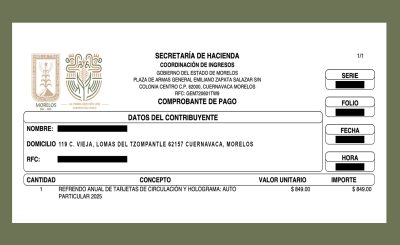
The CURP (Clave Única de Registro de Población, translated into English as Unique Population Registry Code or else as Personal ID Code Number) is a unique 18-character alphanumeric code in Mexico used for official identification, similar to a Social Security Number in the U.S.. It is required for accessing government services and for many daily administrative tasks, such as opening bank accounts, getting a driver’s license, signing employment or rental contracts, and registering as a taxpayer. The code is derived from personal information like name, date of birth, gender, and place of birth.
CURP Usage
• Official identification: It is an essential and mandatory document for all individuals living in Mexico, both citizens and foreigners.
• Accessing services: A CURP is needed to access services and benefits, including healthcare, education, and government programs.
• Legal and financial transactions: It is necessary for legal contracts, opening bank accounts, registering a vehicle, and obtaining a driver’s license.
• Employment and tax: You will need a CURP for employment and to register as a taxpayer (RFC).
Biometric CURP
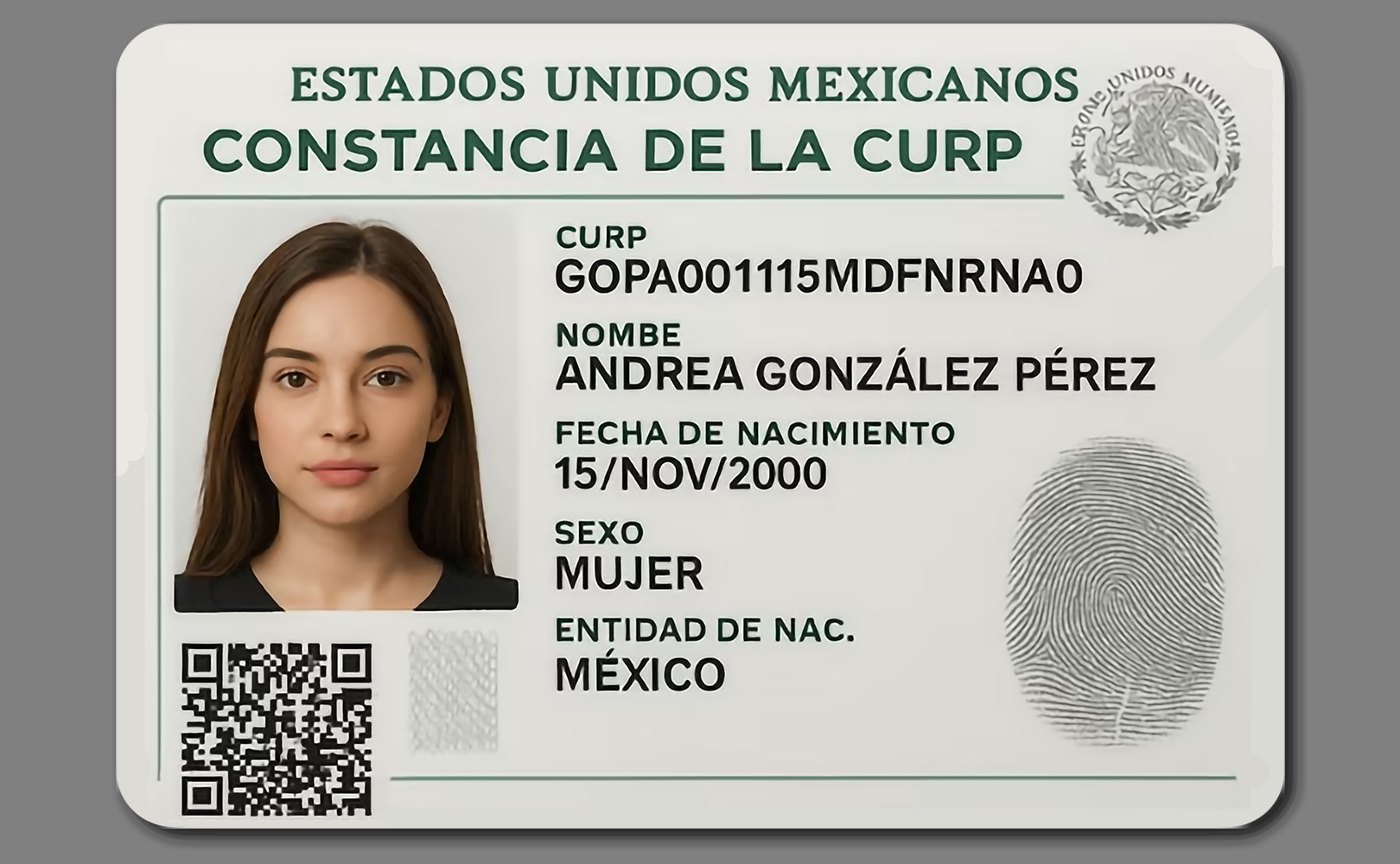
• Mexico is attempting to transition to a Biometric CURP, a more secure ID card that includes a photograph, fingerprints, iris scans and other biometric data in addition to the standard CURP code.
• This new version is designed to be a more comprehensive and unforgeable form of identification.
Recent Judicial Rulings
In a pivotal decision emblematic of escalating privacy apprehensions, judicial authorities across Mexico have decisively halted the government’s ambitious initiative to implement a biometric identification system, which mandates citizens to submit highly sensitive personal data, including fingerprints and iris scans, for the newly proposed Biometric CURP. This suspension arises amid a surge of legal challenges fueled by privacy advocates and digital rights organizations who are actively contesting the compulsory collection of such intimate biological information.
Background on the Biometric CURP Initiative
The recent judicial rulings specifically target the controversial reforms made to Mexico’s General Population Law, published on July 16, 2025. These significant reforms aim to enhance government databases ostensibly designed to assist in locating missing persons. Under this expansive initiative, all Mexican citizens would be required to provide their fingerprints, photographs, and iris scans to create a digital and biometric version of their Unique Population Registry Code (CURP), a move that raises profound questions about individual privacy rights.
Transformations in the CURP System
Historically, the CURP—an 18-character alphanumeric identifier—was established in 1996 to simplify various governmental processes such as tax filings, school enrollments, and passport applications. The newly proposed biometric CURP represents a dramatic and fundamental transformation of this identification system. Its design seeks to integrate vital biometric data, including a high-resolution facial photograph, intricate fingerprint templates, and detailed iris scans, effectively replacing the previous methods of identification.
The envisioned biometric CURP aims not only to serve as Mexico’s all-encompassing identification document but also to be available in both digital and physical formats. By embedding biometric identifiers, including facial recognition data encoded within a sophisticated QR code, the government aspires to streamline the identification process and facilitate real-time validation through interconnected government databases. This ambitious approach would potentially furnish state authorities with a far more robust and precise means of identifying individuals.
Concerns from Privacy Advocates
As this initiative unfolds, digital rights organizations are increasingly voicing their concerns about the profound surveillance implications of centralizing the biometric data of the entire population. Advocacy groups argue that the roll-out of this identification system might effectively grant intelligence agencies unfettered access to sensitive personal information, without adequate mechanisms for oversight or transparency. The departments poised to gain access to this vast store of biometric data include Mexico’s National Intelligence Centre and the National Guard.
Critics argue that the implementation of this program could result in the creation of a comprehensive digital footprint capturing citizens’ everyday activities, leading to intrusive monitoring. José Flores, a prominent privacy advocate, emphasizes that the biometric ID card would enable authorities to track individual movements and interactions—such as visits to healthcare facilities or the opening of bank accounts—without needing the approval of a court-issued warrant.
Global Context of Biometric Identification Systems
The drive for a biometric identification system in Mexico mirrors a wider global inclination toward advanced digital identification frameworks, though the degree of privacy protection afforded varies dramatically across different regions. The European Union’s General Data Protection Regulation (GDPR) enforces stringent standards for the management of biometric data. In contrast, many developing nations, including Mexico, grapple with a glaring lack of robust privacy safeguards.
Detractors contend that government-mandated biometric systems are inherently invasive and costly, posing direct threats to the rights surrounding privacy and free expression. Furthermore, these systems complicate the principle of anonymity, which is essential for whistleblowers, journalists, and political dissenters. Unlike traditional passwords or forms of identification, biometric data—once compromised or misused—cannot be altered, leading to enduring security concerns for the populace.
Implementation Timeline and Legal Challenges
The Mexican government initially projected a phased rollout of this biometric identifier to citizens by February 2026. However, the intensifying legal disputes now pose a substantial risk of significant delays to this timeline. President Claudia Sheinbaum has maintained that the collection of biometric data will be voluntary, despite existing legislation mandating the biometric CURP for a wide array of government and private services. The administration claims that current data privacy laws adequately regulate any potential misuse of sensitive information, including that related to biometric data.
As the legal battles continue to unfold, they signify merely the commencement of what is expected to be a protracted judicial conflict. The current judicial suspensions will remain in effect as the legal processes progress, a journey that may extend over months or even years.
The ongoing controversy surrounding the biometric CURP encapsulates a critical and ongoing tension between the drive for technological advancement and the imperative of safeguarding privacy rights. It seems increasingly likely that Mexico’s Supreme Court of Justice will ultimately be required to render a definitive ruling on the constitutionality of this contentious program, thereby establishing a significant precedent for similar initiatives in the future.


Author: G. William Hood
Author, Columnist, Educator, Epistemologist, and Publisher