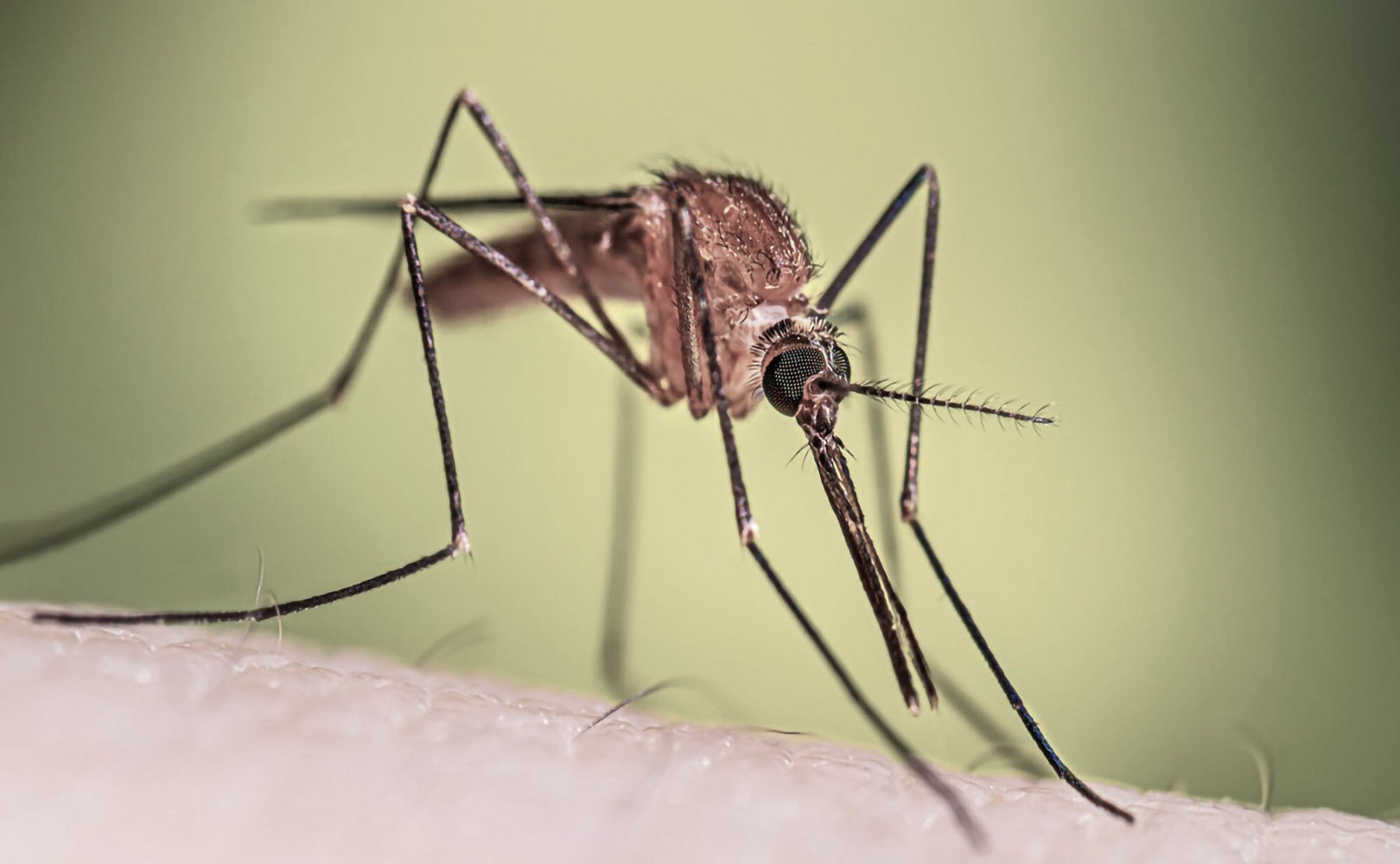
Mosquitoes, known for their persistent buzzing and itchy bites, can quickly disrupt outdoor activities and gatherings, particularly during the warmer months. Globally, mosquitoes are recognized not only as a nuisance but also as vectors for serious diseases such as malaria, dengue, and Zika virus, making effective repellents a public health priority.
Mosquitoes are primarily attracted to humans by exhaled carbon dioxide (CO2). body odor, skin chemistry, and body heat. Female mosquitoes track these distinct biological signals up to 100 meters away to secure the blood meal required to develop fertile eggs.
Primary Attractants
Carbon Dioxide (CO2): Mosquitoes use specialized receptors to detect the plume of gas exhaled when humans breathe. Larger individuals, pregnant women, and people currently exercising naturally release higher levels of CO2, making them easier to track.
Skin Compounds and Carboxylic Acids: According to research from The Rockefeller University, “mosquito magnets” produce significantly higher levels of carboxylic acids on their skin surface. These fatty acids are stable components of your personal skin chemistry profile.
Sweat and Lactic Acid: Perspiration deposits volatile compounds such as lactic acid, uric acid, and ammonia onto the skin. These organic byproducts trigger a mosquito’s close-range sense of smell.
Skin Microbiome: The specific blend of natural bacteria residing on human skin breaks down sebum and sweat secretions into unique odors. Individuals with highly diverse skin microbiomes are often less attractive to mosquitoes, while those with less diverse microbial communities are targeted more often.
Body Heat: Mosquitoes have highly sensitive thermal sensors that detect the microscopic heat signature radiating from human skin, allowing them to choose the optimal landing spot once they get close.
Secondary Factors and Behaviors
Dark and High-Contrast Clothing: Mosquitoes rely on visual cues within short distances. They are highly attracted to darker tones like black, navy blue, red, and orange, which stand out more clearly against the horizon.
Dietary Variables: While old myths regarding sugary foods or bananas have been largely debunked, empirical studies tracked by Cleveland Clinic show a measurable spike in mosquito attraction immediately following alcohol consumption, specifically beer.
Blood Type Preferences: Controlled landing experiments demonstrate that species like Aedes aegypti exhibit a mild statistical preference for people with Type O blood compared to Type A, B, or AB.
While a wide variety of chemical repellents, such as DEET, picaridin, and permethrin, are accessible on the market, a growing segment of the population is turning to natural alternatives due to concerns about potential health risks, allergies, and environmental impact associated with synthetic chemicals. Regulatory agencies such as the EPA and CDC provide guidance on safe repellent use, but demand for plant-based solutions continues to rise.
For those interested in natural options, some of the most effective scents for repelling mosquitoes include citronella, lemon eucalyptus, lavender, catnip, peppermint, rosemary, lemon balm, and marigolds. Each of these botanicals offers unique properties that can help reduce mosquito activity and provide varying levels of protection.
This article provides an in-depth exploration of the most effective natural scents that repel mosquitoes, reviewing the scientific principles behind their efficacy, summarizing key research findings, and offering practical strategies for integrating these botanicals and their derivatives into daily routines to minimize mosquito activity.
To help readers make informed choices, here is a summary comparison of leading natural mosquito repellents and their typical durations of protection:
Eucalyptus
Oil of lemon eucalyptus (OLE/PMD) offers some of the longest protection among plant-based options, often lasting up to 6 hours per application. Eucalyptus oil, distilled from the leaves of various Eucalyptus species (notably Eucalyptus citriodora), is valued for its crisp, invigorating fragrance and potent insect-repellent properties. The active component eucalyptol (also known as cineole), and particularly p-menthane-3,8-diol (PMD) in lemon eucalyptus oil, disrupts mosquitoes’ ability to recognize attractants such as carbon dioxide and lactic acid. According to the CDC, oil of lemon eucalyptus (OLE or PMD) is the only plant-based repellent recommended as an alternative to DEET, offering several hours of protection in field tests. Eucalyptus oil is found in numerous commercial repellent formulations and is effective when applied to clothing or skin (after dilution) or diffused in indoor and outdoor environments. Special caution should be exercised when using eucalyptus products on young children or individuals with sensitive skin, as high concentrations may cause adverse reactions. The CDC and other health authorities recommend that oil of lemon eucalyptus should not be used on children under three years old. Always follow product label instructions for safe use.
Catnip
Catnip (Nepeta cataria), best known for its stimulating effect on felines, contains the compound nepetalactone, which has been shown in laboratory studies, such as those published in Science, to be more effective than DEET at repelling certain mosquito species. Laboratory studies suggest strong repellency, sometimes more effective than DEET, but protection generally lasts up to 2 hours. Catnip can be easily grown in gardens, where it serves the dual purpose of entertaining pets and discouraging mosquitoes, though it may attract neighborhood cats. The essential oil extracted from catnip can be diluted and used as a topical repellent, though it should be patch-tested for skin sensitivity. While catnip’s repellency is promising, its effects on mosquitoes are relatively short-lived, typically lasting less than two hours. Catnip’s vigorous growth habit makes it a practical addition to herb gardens and natural pest control strategies, but regular pruning is advised to prevent overgrowth. For pet owners, it is important to note that while catnip is safe and non-toxic for cats, it is generally considered harmless to dogs and other common household pets when used in moderate amounts. However, ingestion of large quantities of catnip or its essential oil may cause mild digestive upset in some animals, so supervise pets around freshly planted catnip or homemade sprays if you have concerns.
Citronella
Citronella, derived from the leaves and stems of lemongrass plants (Cymbopogon nardus and Cymbopogon winterianus), is one of the most widely recognized natural mosquito repellents. Citronella provides effective repellency for up to 2 hours, though the protection fades as the scent disperses. The oil is rich in compounds such as citronellal, geraniol, and citronellol, which interfere with the olfactory receptors mosquitoes use to detect carbon dioxide and human skin odors. Studies published in journals such as the Journal of Vector Ecology indicate that citronella oil can provide effective repellency for up to two hours, but the efficacy declines as the volatile compounds evaporate. Citronella can be utilized in various forms, including candles that release the scent into the air, essential oils for topical application (when diluted), sprays for indoor and outdoor spaces, and wearable products such as bracelets. When using citronella essential oil on the skin, it should always be diluted with a carrier oil, such as coconut or almond oil; a safe guideline is to use about 1 drop of citronella oil per teaspoon of carrier oil to reduce the risk of skin irritation. Before broader application, a patch test is recommended to check for sensitivity, especially for those with sensitive skin or allergies. Incorporating citronella into outdoor living areas or applying it to exposed skin can create an effective barrier against mosquito intrusion. However, reapplication or refresher products are often necessary, as the scent dissipates over time. For longer-lasting results, citronella is sometimes combined with other natural oils or formulated in polymer-based lotions that slow evaporation.
Rosemary
Rosemary (Rosmarinus officinalis), an aromatic herb commonly used in cooking, also has mosquito-repellent properties due to its strong, woody fragrance and compounds such as cineole and camphor. Rosemary usually delivers moderate protection, with repellency often lasting 30 minutes to 1 hour per application or burn. Research indicates that rosemary oil can provide moderate repellency, especially when combined with other essential oils. When rosemary plants are cultivated in garden beds or containers, they can help reduce mosquito activity in the immediate vicinity. Additionally, burning dried rosemary sprigs on a barbecue or fire pit produces a fragrant smoke that can deter mosquitoes during outdoor events, as supported by field observations in Mediterranean regions. Rosemary essential oil can be diluted with a carrier oil and applied to the skin or added to homemade sprays for enhanced protection. The versatility of rosemary enables its integration into both landscaping and personal care routines for natural mosquito control. For maximum benefit, rosemary can be used alongside other aromatic herbs such as basil and thyme, which provide complementary repellent properties.
Lavender
Lavender (Lavandula angustifolia) is renowned for its soothing and floral scent, which is pleasing to humans but unappealing to mosquitoes. Lavender usually delivers moderate protection, with repellency often lasting 30 minutes to 1 hour per application or burn. The essential oil extracted from lavender flowers contains compounds such as linalool and linalyl acetate, both of which have demonstrated repellent effects against various mosquito species in laboratory and field studies. For example, a study in the Journal of the American Mosquito Control Association found that lavender oil provided moderate skin repellency for up to 30 minutes. Planting lavender in garden borders, pots, or window boxes not only enhances landscape aesthetics but also helps reduce local mosquito populations, particularly when combined with other aromatic plants. Dried lavender sachets can be placed indoors or in outdoor seating areas, while diluted essential oil can be applied to the skin or diffused in the air for further protection. Lavender’s calming properties offer the dual benefits of mosquito management and stress relief, making it a popular choice for both residential and therapeutic settings.
Peppermint
Peppermint (Mentha piperita) emits a fresh scent due to its high menthol content, which mosquitoes dislike. Peppermint provides short-term relief, usually under 1 hour, so it may need frequent reapplication. The essential oil from peppermint leaves can be diluted and used in sprays, lotions, or diffusers to repel mosquitoes. Laboratory studies show moderate repellent activity from peppermint oil, but its effect lasts less than an hour. Growing peppermint in pots or garden beds helps with local mosquito control, but the plant must be managed to prevent it from spreading. Peppermint oil may also feel cooling and soothe itchiness from existing bites, offering both protection and relief. Natural repellents with peppermint are sometimes mixed with other essential oils for better results.
Lemon Balm
Lemon balm (Melissa officinalis) is a perennial herb in the mint family (Lamiaceae) that emits a robust lemon fragrance, which mosquitoes find highly repellent. Lemon balm offers short-term relief, generally under 1 hour, and may need frequent reapplication. The plant contains significant amounts of citronellal, a compound responsible for its mosquito-repelling properties, and is also the source of citronella. Laboratory studies, such as those published in Phytotherapy Research, have found that lemon balm extracts can provide short-term repellency similar to low concentrations of DEET. Lemon balm leaves can be crushed to release their aromatic oils and rubbed directly onto exposed skin as a quick, natural repellent. However, it is important to patch test a small area first to check for any allergic reaction, especially for those with sensitive skin or a history of allergies. Alternatively, lemon balm essential oil can be incorporated into lotions or sprays, provided it is properly diluted to avoid skin irritation. Growing lemon balm in outdoor spaces not only adds visual and aromatic appeal but also serves as a living deterrent against mosquito populations. Due to its vigorous spreading habit, lemon balm should be monitored to prevent unwanted garden takeover.
Coffee
Coffee, particularly when used as grounds or unroasted beans, can contribute to mosquito control through its potent aroma. It is best used as a supplementary measure, as its direct effect on mosquito repulsion is typically localized and less consistent in duration. Research conducted by the Brazilian Ministry of Health and published in Acta Tropica suggests that burning coffee grounds produces a smoke containing compounds, such as caffeine and diterpenes, that are toxic to mosquito larvae and adults, thereby reducing their presence in treated areas. Used coffee grounds can be placed in bowls or spread in garden beds to deter mosquitoes, while burning small amounts in fireproof containers outdoors can create a localized barrier. Additionally, incorporating coffee grounds into compost or soil provides added benefits for plant growth while contributing to pest management. However, coffee should be used as a supplementary strategy rather than a primary method for mosquito control, as its effectiveness is localized and short-lived.
For more information on using coffee grounds as a natural mosquito repellent see the article: Coffee Grounds as a Mosquito Repellent
Garlic
Garlic (Allium sativum), a staple ingredient in many cuisines, also possesses mosquito-repellent qualities. It is best used as a supplementary measure, as its direct effect on mosquito repulsion is typically localized and less consistent in duration. The sulfur-containing compounds released by garlic, such as allicin, generate a pungent odor that masks human scent and deters mosquitoes. Although laboratory studies on the effectiveness of garlic as a topical repellent are limited, anecdotal evidence and some small-scale trials suggest that garlic-infused oils or sprays can reduce mosquito bites when applied to skin and clothing. Some studies suggest that regular garlic consumption may alter body odor in a way that is less attractive to mosquitoes, though scientific consensus on this point is lacking. Crushed garlic cloves can be steeped in water to create a natural spray for use on plants, outdoor surfaces, or even skin when properly diluted. Care should be taken to avoid skin irritation or damage to sensitive plants, and garlic sprays should not be applied to edible crops within a short time of harvest.
Marigolds
Marigolds (Tagetes spp.) are popular annuals renowned for their vibrant blooms and insect-repellent properties. It is best used as a supplementary measure, as its direct effect on mosquito repulsion is typically localized and less consistent in duration. The pungent scent of marigold flowers is produced by compounds such as pyrethrum and limonene, which are known to deter mosquitoes and other garden pests. While marigolds are frequently recommended as companion plants to keep mosquitoes away from patios and vegetable gardens, scientific evidence for their direct repellency is mixed, and their main value may lie in deterring aphids and whiteflies, which can attract mosquitoes indirectly. Planting marigolds in borders, containers, or near outdoor entertaining areas can help reduce mosquito presence while enhancing garden aesthetics. Marigold essential oil, though less common, can be incorporated into homemade sprays for additional protection, but it should be used with caution due to potential skin sensitivities.
In summary, natural alternatives such as citronella, rosemary, lemon balm, coffee, lavender, catnip, garlic, eucalyptus, peppermint, and marigolds provide a diverse array of effective mosquito-repellent options. Selecting products formulated with natural ingredients, such as DEET-free sprays or diffusers, supports both human health and environmental sustainability. By embracing natural scents, individuals can achieve reliable mosquito control without relying on synthetic chemicals, though it is important to consider each method’s efficacy, duration, and safety.

Author: G. William Hood
Author, Columnist, Educator, Epistemologist, and Publisher