Throughout history, governments have acquiesced to an underlying religious belief. The political powers have sought to squelch any attempts of the public to act in a manner that differed from the ideology of the rulers. A common thread lies in the writing of Tertullian (c. 155 – c. 220 AD) a prolific Catholic author, whose statements are used today, in which he wrote:
“It is not enough that a law is just, nor that the judge should be convinced of its justice; those from whom obedience is expected should have that conviction too.”
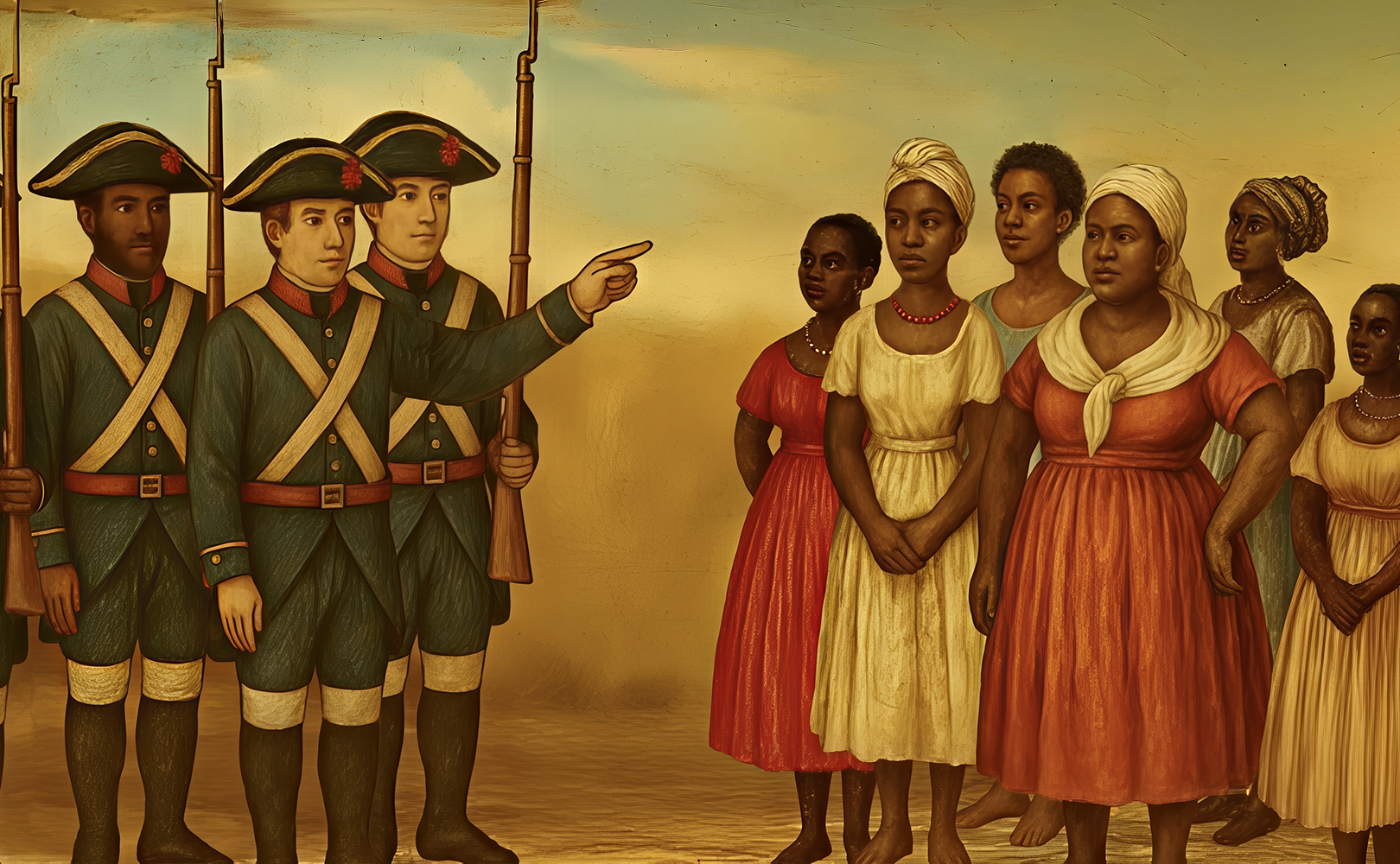
In the early 17th century, a noteworthy chapter in the history of colonial Mexico unfolded, painting a stark picture of the struggles faced by African and Afro-descendant populations against the oppressive regime of their Spanish colonial rulers.
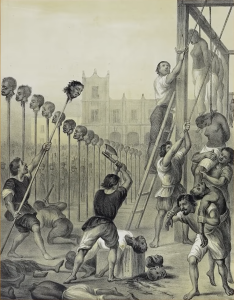 The harrowing events of Wednesday, May 2, 1612, during which 35 blacks and mulattoes —comprising men and women—were were escorted by New Spain’s authorities through the streets of Mexico City. They were being paraded on horseback, shamed before the residents of the viceregal capital, before all were summarily hanged in front of a large crowd in the central plaza facing the church and palace. The bodies of some of the victims remained suspended in the air through the next day, which happened to be the celebration of the Holy Cross, the fiesta de Santa Cruz.
The horrible spectacle did not end with the hangings. After consulting with a group of doctors about the fate of the bodies, Mexico City’s royal tribunal, the Audiencia, ordered twenty-nine to be decapitated and the heads left to rot on top of pikes (eight of which had been built for the occasion). The other six were quartered, and the parts were placed on pikes on the city’s main streets and roads. Serving as potent symbols of royal power and of the marginal place occupied by people of African ancestry within the Spanish colonial order, the body parts were left on display until their stench became both unbearable and insalubrious for the residents of the capital.
The event served as a powerful testament to the lengths authorities would go to suppress resistance. This gruesome public execution was not just a grim spectacle; it was a brutal warning meant to stifle any aspirations of revolt, particularly against the women who were unjustly accused of inciting rebellion.
The Weight of Oppression
The atmosphere in colonial Mexico, particularly in the sugar-rich region of Veracruz, was heavy with the weight of exploitation. Over the years, around 250,000 enslaved Africans were forcibly brought to New Spain, led to the sugar fields under the harsh reign of Spanish colonizers. These individuals, stripped of their freedoms and subjected to a lifetime of servitude, existed in a precarious social stratum—constantly navigating the thin line between enslavement and a modicum of autonomy. The Spanish authorities’ dependence on this enslaved labor force created a complex tapestry of social dynamics in which Afro-descendants fought against deep-rooted oppression and violence.
Three years prior, in 1609, the sparks of rebellion were ignited by Gaspar Yanga, who led a prominent slave liberation movement. Yanga’s successful defiance posed a significant threat to the colonial order. His uprising sent shockwaves through the ruling class, who feared that similar acts of insurrection could ignite widespread rebellion among the enslaved populations across the vast territory of New Spain.
The Catalyst: A Death That Ignited Anger
The turmoil that ultimately culminated in the tragic events of 1612 began with the violent death of an Afro-descendant woman at the hands of her master—a brutal act that reverberated deeply within the oppressed communities. Her funeral became more than a moment of grieving; it transformed into a rallying cry for justice and collective action. The Brotherhood of Blacks from the Convent of La Merced—a vital social and religious organization—stepped forward, with its members unifying to voice their outrage and seek retribution. This brotherhood, an emblem of resistance in the community, served as a lifeline, preserving ancestral traditions and fostering social bonds among the members.
In their mourning, the brotherhood planned a rebellion for the sacred day of Holy Thursday, showcasing their determination to rise against the injustices they had endured. In response, authorities sprang into action, imposing draconian measures to quell any sign of dissent among the Afro-descendant population. A state of emergency was declared, leading to the suspension of Holy Week ceremonies, the closure of churches, and mass arrests—all calculated moves aimed at stifling the spirit of rebellion.
Waves of Repression
The newly enacted state of emergency manifested in a series of oppressive measures that targeted Afro-descendant individuals indiscriminately. The authorities, perceiving the brotherhoods as potential harbingers of insurrection, ruthlessly cracked down on their gatherings and community activities. Enslaved and free Black people alike were subjected to draconian regulations designed to strip away their rights and cultural identities. These included the prohibition of weapon possession, bans on group gatherings exceeding three people, curfews, and even restrictions on clothing for women, who were prohibited from wearing anything deemed luxurious or extravagant.
In this atmosphere of fear and control, the colonial government sought to eradicate any semblance of community and identity among the Afro-descendant populace. The religious and cultural institutions that had previously provided solace and solidarity were systematically dismantled, viewed through the lens of the authorities as potential threats rather than as expressions of faith and heritage.
A Defiant Act of Mourning and Resistance
Following the execution of 1612, which shattered lives and sent shockwaves throughout the community, the response from Afro-descendant women revealed the tenacity of their spirit. They came together in a profound expression of grief and defiance, hastening to tenderly shroud the bodies of the condemned. This act of honoring the deceased was steeped in cultural significance, embodying a fierce commitment to dignity and collective identity.
As these women performed their mourning rituals—delicately wrapping the bodies in burial cloth and invoking ancestral practices—they transformed mourning into an act of resistance. In preserving the memory of their loved ones and asserting their customs, they wielded the very traditions that the colonial authorities sought to suppress, thus reclaiming their narrative in a world marked by violence and erasure.
A Legacy of Resilience and Resistance
The tragedy of May 1612 encapsulates the ongoing saga of resistance among the Afro-descendant communities in colonial Mexico—an enduring testament to their struggle against oppression and the quest for identity. The aftermath of these events contributed to a cultural resilience that would echo through generations, shaping the identity of Afro-descendants in Mexico.
Even amidst oppression, the fusion of African traditions with local customs laid the groundwork for vibrant cultural expressions that continued to thrive despite attempts to erase them. The legacy of resistance, self-determination, and cultural preservation became deeply rooted in the fabric of Mexican society, manifesting in various forms through music, dance, and culinary practices that celebrate African heritage.
Conclusion
The poignant events of May 1612 serve as a critical reminder of the complex history of African and Afro-descendant peoples in colonial Mexico. They illuminate a narrative of profound resilience in the face of unspeakable oppression, where traditions and community bonds became lifelines amidst the tumult. The enduring legacy of these communities is not merely a relic of the past but remains a dynamic and vibrant part of contemporary Mexican culture—an enduring reminder that even the harshest oppression cannot fully extinguish the indomitable spirit of a people.
Understanding and acknowledging this history highlights the struggles and triumphs that shape the multifaceted identity of modern Mexico, affirming the vital role that Afro-descendant cultures continue to play in the nation’s narrative today.