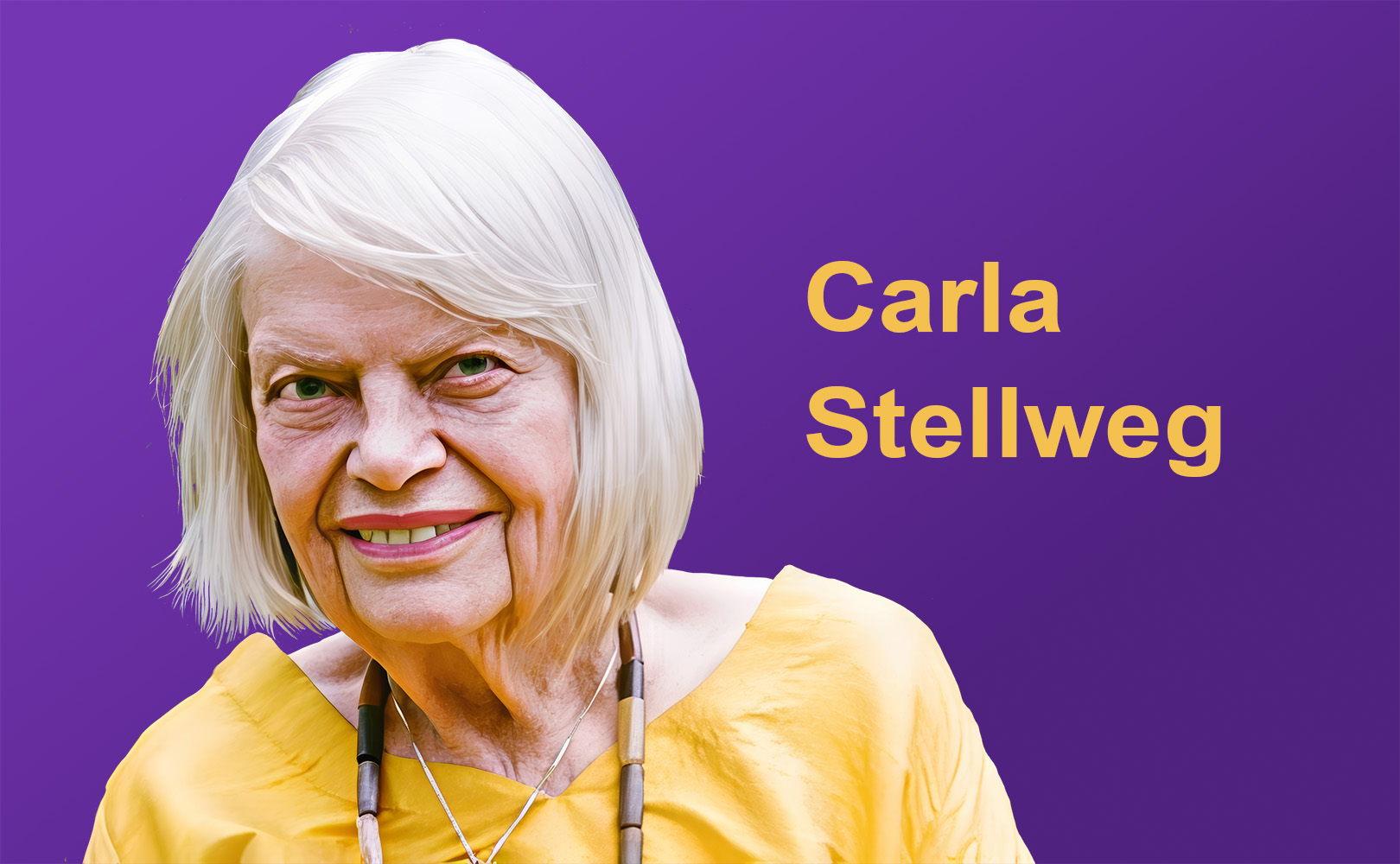
Carla Margareta Stellweg (8 June 1942 – 20 October 2025) was a remarkable figure in the realm of Latin American art, known for her multifaceted roles as a curator, historian, author, publisher, gallerist, scholar, and influential critic. Her life’s work was dedicated to the promotion and celebration of Latin American art and its artists. Tragically, Carla passed away at the age of 83 in her serene home in Cuernavaca, Morelos, Mexico, on October 20, 2025.
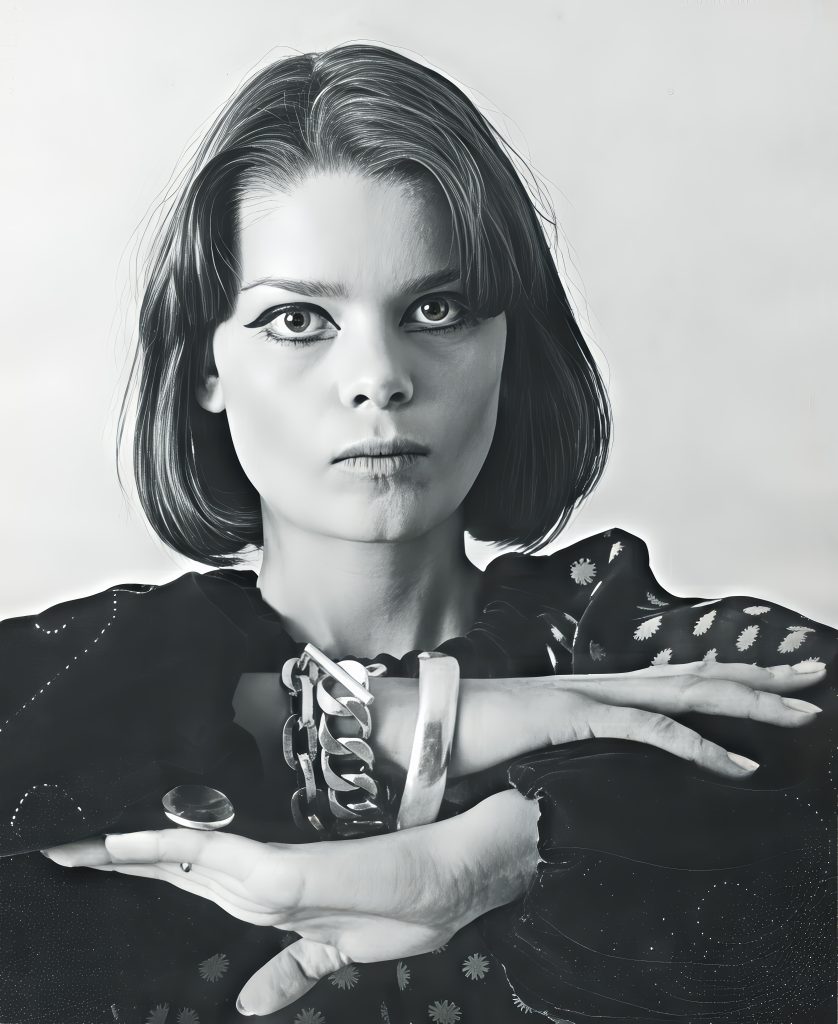 Carla’s story is steeped in historical significance, beginning long before her birth. Her parents, Carl Stellweg—a knowledgeable agronomist with expertise in soil management and crop production—and Toke de Longh, were residing in the picturesque city of Bandung, now the capital of West Java province in Indonesia. Nestled in a lush river basin encircled by majestic volcanic mountains, Bandung served as a natural fortress and developed into a vibrant resort city during the 18th and 19th centuries. The Dutch established tea plantations around these mountains, enticing affluent plantation owners who transformed the city into a hub of luxury, filled with opulent hotels, fine dining establishments, and fashionable European boutiques. This cultivation of elegance earned Bandung the charming moniker of Parijs van Java, or “The Paris of Java.”
In May 1940, while Carla’s family was in Bandung, the clouds of war gathered as Germany occupied the Netherlands, prompting martial law in the Dutch East Indies. Tensions escalated following the attack on Pearl Harbor on December 7, 1941, when the Dutch declared war on Japan. The Japanese invasion commenced shortly thereafter, culminating in the rapid fall of the Dutch East Indies by March 1942. Initially, many Indonesian locals regarded the Japanese as liberators from Dutch colonial rule; however, this sentiment quickly soured as the harsh realities of Japanese occupation set in. Millions of Indonesians were conscripted as forced laborers, known as romusha, sparking widespread suffering and loss. An estimated 4 million people perished due to famine and forced labor during this grim era, including around 30,000 European civilian internees.
It was amidst this tumultuous backdrop that Carla was born, her arrival coinciding with her mother Toke’s internment in a Japanese detention camp, accompanied by her older sister, Carin. Meanwhile, Carla’s father faced his own separation in a different camp. The family’s eventual reunion following Japan’s surrender in August 1945 marked the beginning of Carla’s childhood, which unfolded across the diverse landscapes of Sumatra, Singapore, and the Netherlands.
This experience of dislocation profoundly influenced Carla, helping her cultivate an understanding of identity that transcended the narrow confines of geography or nationality. This perspective would become a defining element of her life’s work, which was characterized by a commitment to assisting the disenfranchised, particularly Latin Americans, wherever her journey led her. As a pioneer in the realm of conceptual art, Carla produced socially engaged works across both traditional and contemporary media on a global scale.
Carla’s academic pursuits began at Grotius College Heerlen, the only Protestant high school in Limburg, Netherlands, from which she received her Bachelor of Arts. She furthered her education at the University of the Americas in Mexico, where she pursued a Master of Fine Arts in art history.
In 1958, the trajectory of Carla’s life shifted again when her father took on a role as an agronomist for the United Nations’ Food and Agriculture Organization, prompting the family’s relocation to Mexico. After a brief period as a UN tour guide in New York City, she rejoined her family in Mexico in 1960.
It was here that Carla drew the attention of Fernando Gamboa, a pivotal figure in Mexico’s cultural landscape as Mexico’s Global Cultural Diplomat. Impressed by her quick intellect and linguistic prowess—encompassing Dutch, English, French, German, Japanese, Malay, and Spanish—Gamboa offered her a position as his Assistant Curator. In this capacity, Carla played a vital role in significant cultural diplomacy projects, partnering with Gamboa to represent Mexican art on the international stage at events such as Expo ’67 in Montreal, HemisFair ’68 in San Antonio, the 34th Venice Biennial in 1968, and Expo ’70 in Osaka, Japan. Through these pivotal experiences, she began to leave an indelible mark on the art world, shaping the narrative of Latin American artists and their contributions to global culture.
From her influential position with Gamboa, Carla began to cultivate her own unique connections within the vibrant Latin American avant-garde scene in New York. This artistic enclave had become a refuge for many creators fleeing the political turmoil that gripped their home countries. Through Gamboa, Carla’s ties in New York ran deep, allowing her to engage with a rich tapestry of ideas and artistic expressions.
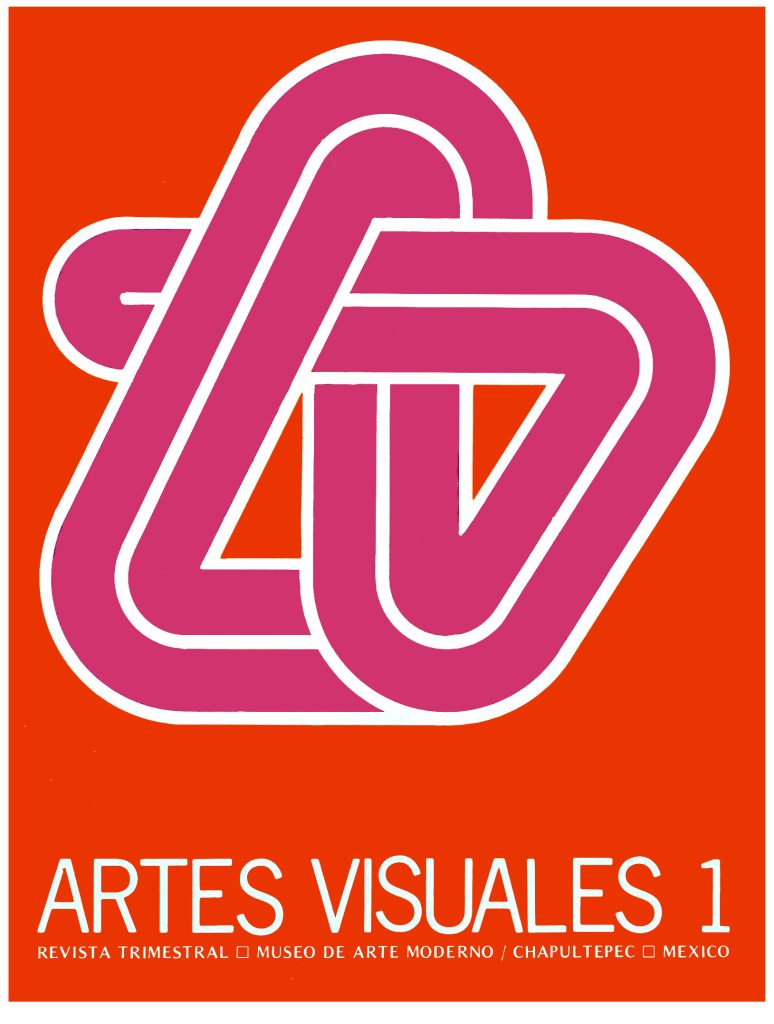 In 1972, Gamboa ascended to the role of director at Mexico’s esteemed Museo de Arte Moderno (MAM). Eager to help Carla make her mark, Gamboa extended an invitation to Carla to curate a new Latin American art collection in Mexico. However, as the project unfolded, Carla proposed an innovative alternative — a publication that would serve as a platform for dialogue and exploration of Latin American art. This vision materialized in 1973 when they co-founded the groundbreaking quarterly, Artes Visuales, with Carla appointed as editor-in-chief. With its sleek design and bilingual format, the magazine quickly became a vital conduit for discussions surrounding Latin American art, published under the auspices of MAM in Mexico City from 1973 to 1981.
While overseeing Artes Visuales, Carla also took on the role of Deputy Director at the newly inaugurated Rufina Tamayo Museum in 1979, further expanding her influence in the art world. Artes Visuales stood out by publishing works from the leading Latin American critics of the era, including prominent figures like Juan Acha, Alaíde Foppa, and Nestor García Canclini. The magazine frequently featured essays penned by Carla herself, whose writings were characterized by a bold defiance and an alternative perspective to prevailing narratives in contemporary and modern art. She explored the deep-rooted creativity behind the art, delving into the identities of the artists and addressing themes of gender and feminism within the art community. Carla deftly illuminated the interconnected struggles faced by Latin American artists on the international stage, threading together issues of women’s rights, the marginalization of Latin communities in the United States, class disparities, and the complexities of institutional hierarchies.
Operating within the constraints of a state-funded publication linked to the administration of then-President Luis Echeverría (1970-1976), whose governance was marred by political repression and infamous student massacres, Artes Visuales navigated these tumultuous waters with an audacious spirit. As Stellweg noted in a 2010 essay, the magazine embraced both experimental and political discourse in subtle but profound ways, allowing for diverse topics to flourish—from artists’ reflections on the Panama Canal to explorations of nascent video and conceptual art, as well as early chronicles highlighting the contributions of Chicano artists.
Taiyana Pimentel, the director of the Museo de Arte Contemporáneo de Monterrey, emphasized that Artes Visuales not only provided a platform for artists but also nurtured up-and-coming writers, such as philosopher Manuel de Landa, who debuted one of his earliest works in the journal. “It established a paradigm in Latin American art criticism — an early model that other publications on the continent have followed,” Pimentel remarked, highlighting the publication’s significant impact.
However, the board of the Museo de Arte Moderno (MAM) did not align with the magazine’s public reception and abruptly decided to shutter Artes Visuales. Added to the economic problems of Mexico brought about by then President, Miguel de la Madrid (1982-1988). Carla, known for her forthrightness, swiftly condemned this move as an act of censorship imposed by MAM amid a shifting political landscape.
In the wake of the closure in 1981, Carla relocated to New York. Between 1983 and 1985, she took on the role of director at the Stellweg-Seguy Gallery, skillfully managing exhibitions and sales, continuing her commitment to promoting the vibrant legacy of Latin American art.
In 1986, Carla Stellweg took on the esteemed role of Chief Curator at the Museum of Contemporary Hispanic Art (MOCHA), a position that allowed her to showcase pivotal exhibitions such as “Rooted Visions: Mexican Art Today“. This role not only highlighted her dedication to Hispanic art but also cemented her reputation as a leading figure in the contemporary art scene.
Three years later, in 1989, Carla ventured into entrepreneurship by founding her own gallery in the heart of New York City. The Carla Stellweg Gallery was not just a space for displaying art; it was a vibrant platform dedicated to promoting emerging and mid-career artists, fostering creativity, and hosting a diverse array of exhibitions that reflected the richness of cultural expression.
Carla’s literary contributions flourished in 1992 when she co-authored “Frida Kahlo: La Cámara Seducida” with the renowned writer Elena Poniatowska. This bilingual work, which both celebrated the iconic artist and accompanied an exhibition of the same name, demonstrated Carla’s depth of knowledge and passion for integrating art with compelling narratives. The book is also published in English as, “Frida Kahlo: The Camera Seduced.”
From 1997 to 2001, she expanded her influence further as the Executive Director and Chief Curator of Contemporary Art at Blue Star Art Space in San Antonio, Texas. In tandem with this role, she took on significant responsibilities at the Jewish Museum as Director of Program Funding, where she successfully managed an annual fundraising campaign that garnered over $3 million—an impressive feat that underscored her exceptional organizational skills and commitment to the arts.
Between 2005 and 2022, Carla imparted her extensive knowledge and passion for art as an Art History Professor at the School of Visual Arts in New York City. Her course on “What is Latin American & Latinx Art?” was not only an educational endeavor but a means to inspire a new generation of artists and scholars to engage with the complexities of Latin American art.
In addition to her academic roles, Stellaweg lent her expertise as an independent consultant, contributing to notable projects such as “Hispanic Art in the United States: Thirty Contemporary Painters and Sculptors” and “The Latin American Spirit: Art and Artists in the US, 1920-1970”, both pivotal in highlighting the contributions of Hispanic artists to the broader art narrative.
In recognition of her outstanding work, Carla received a Rockefeller Fellowship in the Humanities, focusing her research on “Exhibiting Practices of Mexican and Chicano Art: Its Funding and Collecting,” a testament to her commitment to understanding and advocating for these art forms.
Throughout her time in New York, Carla became a vital hub for those involved in Latin American art. For over 35 years, her loft on East Houston Street in SoHo served as a welcoming gathering place for countless Pan-American artists, curators, collectors, and arts professionals, fostering connections and collaborations within the art community.
After returning to Mexico in 2022, Carla did not slow down. She continued her passion for education as an occasional visiting professor at various universities and institutions across Latin America. Most recently, she devoted her efforts to writing her memoirs and, earlier this year, published her final book, “Being and Becoming: Crossing Borders and Other Barriers” (Cubo Blanco, 2025). This reflective work compiles her essays on feminist art, Latin American art, the art market, museography, photography, and cultural journalism, asserting her voice in critical discussions surrounding contemporary art.
In her poignant last interview with “El Universal”, Carla shared an introspective outlook on life, expressing a deep awareness of her mortality.
“I feel like I’m going to die very soon; from that perspective, it’s as if everything ceases to interest you. I’m putting an end to it, which is why I’m writing my memoirs. My life was extraordinary; I’ve lived so much. There’s a recommendation I always give my students: You have to wake up and ask yourself a question that doesn’t yet have an answer.”
The news of Carla’s passing resonated across social media, confirmed by her son, George Stellweg. He celebrated her legacy, stating,
“My mother, Carla Stellweg, a pioneering radical woman, curator and historian, writer, and mentor to so many, lived her life according to her own criteria. She left her pain behind, as she wished, with dignity. Her family supported her during her final journey. Carla Margareta Stellweg was my greatest support. A teacher, critic, and faithful encourager. She leaves a huge void in our lives.”
He went on to announce plans for a memorial service to honor his mother’s impact on her friends and colleagues, acknowledging the logistical coordination required to include her global community.
“It will take some time to coordinate the date with various organizations. Given that her friends live all over the world, we estimate that reserving the venue, the speakers, and coordinating the date will take between 30 and 60 days. I ask for your patience.”
Selected works
- “De Cómo el Arte Chicano es tan Indocumentado como los Indocumentados.” Artes Visuales.(México, D. F., México) No. 29 (Jun. 1981) pp 23–28 (In Spanish)
- “The Way in Which Chicano Art is as Undocumented as the “Undocumented”” Artes Visuales (Mexico City, Mexico) No. 29 (June 1981) pp 29-31
Joaquin Torres Garcia (1984), Arnold Herstand Gallery catalog - Frida Kahlo: The Face Behind the Mask:, a Photographic Portfolio (1985)
- “Magnet – New York”: Conceptual, Performance, Environmental, and Installation Art by Latin American Artists in New York.” In The Latin American Spirit: Art and Artists in the United States, 1920-1970, pp 284–311, 332. Exh. cat., New York: Bronx Museum of the Artists, (1988)
- A collective of contemporary Colombian art (1989)
- Uncommon ground: 23 Latin American artists, October 3-November 5, 1992 (1992)
- Spanish Remnants: Borders Real and Imagined (1992)
- In collaboration with Elena Poniatowska: Frida Kahlo : La Cámara Seducida (1992) (in Spanish), Frida Kahlo: The Camera Seduced (1992)
- Looking at the 90’s: Four Views of Current Mexican Photography (1998) with María Josefa Ortega. Artes visuales: “Una Selección Facsimilar en Homenaje a Fernando Gamboa (2009) (in Spanish)
- “Being and Becoming: Crossing Borders and Other Barriers” (Cubo Blanco, 2025). The book is due to be published by Cubo Blanco, a Mexican publishing house, and will be included in its “Contemporary Debate” collection soon.


Author: G. William Hood
Author, Columnist, Educator, Epistemologist, and Publisher